
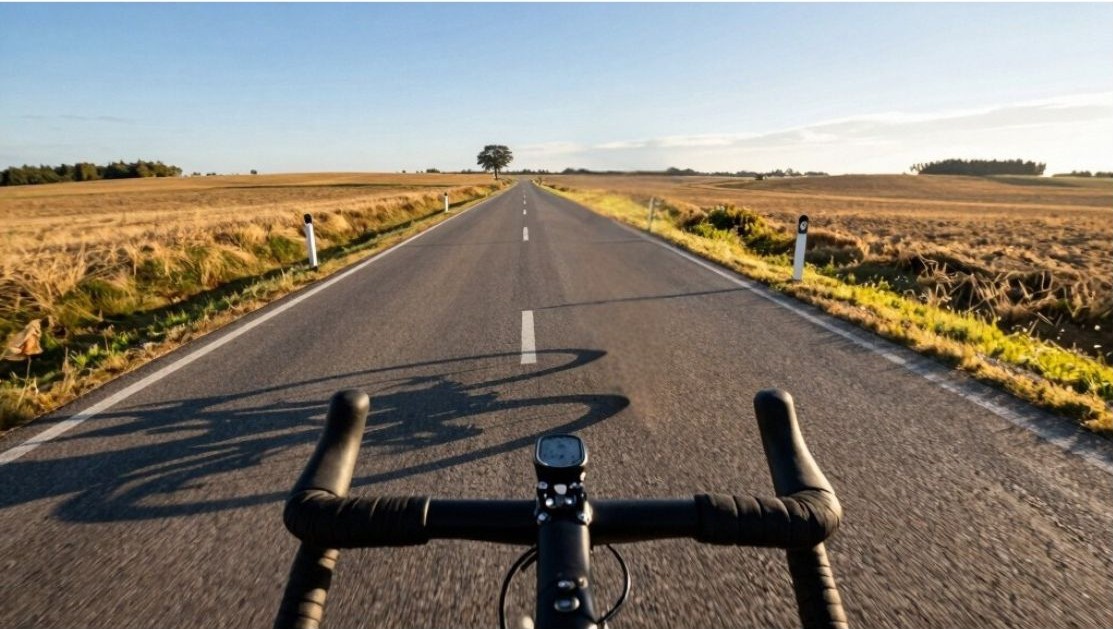
You’ll typically take between 2 and 4 hours to bike 40 miles, depending on your average speed, terrain, fitness, and pacing.
If you ride around 10–12 mph as a beginner, expect roughly 3 to 4 hours including breaks.
More experienced riders averaging 15–20 mph can finish closer to 2 hours.
Factors like hills, weather, nutrition, and equipment also play roles in your total time.
Understanding these elements helps optimize your ride efficiency and comfort.
Key Takeaways
- Biking 40 miles typically takes between 2 to 4 hours, depending on speed, fitness, terrain, and breaks.
- Beginners usually average 10–12 mph, resulting in a 3.5 to 4-hour ride time with breaks included.
- Experienced riders often target 2.5 to 2.75 hours by maintaining speeds around 15–16 mph.
- Terrain, weather, and bike condition significantly impact ride duration, requiring pace adjustments.
- Proper pacing, nutrition, hydration, and scheduled breaks help sustain energy and reduce total ride time.
How Long Does It Take to Bike 40 Miles at Different Speeds?
How long it takes to bike 40 miles depends primarily on your average speed.
The time to bike 40 miles largely hinges on maintaining a consistent average speed.
At 10 mph, expect a duration of 4 hours, while 15 mph reduces this to roughly 2 hours and 40 minutes.
Increasing your pace to 16 mph cuts the time to about 2 hours and 30 minutes. At 20 mph, you’ll complete the distance in 2 hours flat.
These calculations assume consistent speed without breaks. Your time inversely correlates with speed, highlighting the importance of maintaining a steady pace.
For speeds outside this range, times vary proportionally. For instance, 5 mph would double the time compared to 10 mph.
Understanding this relationship helps you set realistic goals based on fitness level and terrain. This can optimize your ride efficiency for the 40-mile distance.
In any endurance activity, ensuring proper maintenance and safety practices is crucial for long-term performance and injury prevention.
What Beginner Cyclists Should Expect on a 40-Mile Ride?
If you’re gearing up for a 40-mile ride, you can expect to cruise at an average speed of about 10 to 12 mph. So, you’re looking at a ride that’ll take roughly 3 to 4 hours. Just keep in mind that this includes some short breaks along the way.
Now, let’s talk about what you might face out there. You could definitely experience muscle fatigue, and saddle discomfort is pretty common too. Plus, maintaining a steady pace is key to managing your energy throughout the ride. It’s also important to ensure your bike tires are properly maintained, as tire safety plays a crucial role in preventing unexpected issues during long rides.
Typical Beginner Speed
Although beginner cyclists often aim to complete a 40-mile ride efficiently, typical speeds for this distance generally hover around 10 to 12 miles per hour.
At this pace, you should anticipate completing the ride in approximately 3.5 to 4 hours, depending on terrain and environmental conditions.
Maintaining a consistent cadence within this speed range helps manage energy expenditure and prevents premature fatigue.
Factors like wind resistance, saddle comfort, and bike setup will influence your average speed.
Since beginners often lack extensive endurance training, pacing slower than 10 mph early on is advisable to sustain effort.
Monitoring your speed via a cycling computer or smartphone app provides objective feedback, enabling adjustments for terrain or fatigue.
This baseline speed range reflects typical physiological adaptation for novice riders setting out on 40-mile rides.
Environmental factors such as temperature fluctuations and terrain conditions can also impact ride duration and comfort.
Expected Ride Duration
Completing a 40-mile ride typically requires between three to four hours for beginner cyclists, depending on factors such as terrain, fitness level, and environmental conditions.
You should expect to maintain an average speed near 10-12 mph, pacing yourself conservatively to avoid early fatigue. Breaks and nutrition will influence total duration, so plan accordingly.
Key considerations include:
- Terrain: Hills or rough paths slow average speed, extending ride time.
- Fitness: Your cardiovascular and muscular endurance directly affect pacing.
- Environmental: Wind resistance and temperature impact energy expenditure.
- Equipment: Bike type and saddle comfort influence sustained speed and comfort.
Maintaining a clean and well-maintained bike environment, akin to preventive maintenance, can help ensure a smoother and more enjoyable ride.
Common Challenges Faced
When tackling a 40-mile ride, beginner cyclists will encounter several physiological and mechanical challenges that impact performance and endurance.
Muscle fatigue typically emerges as your primary limitation, especially if you haven’t conditioned your slow-twitch fibers for sustained effort at 10-12 mph.
Cardiovascular strain also accumulates, requiring careful pacing to avoid breathlessness.
Mechanical issues such as saddle discomfort can reduce riding efficiency and increase fatigue.
Additionally, terrain variability demands adaptive power output, affecting average speed and time.
Nutrition and hydration strategies are critical; inadequate intake causes energy deficits and cramping.
Equipment reliability matters—tire pressure, chain lubrication, and brake function must be optimal to prevent delays.
Recognizing these factors and preparing systematically will help you maintain consistent speed and complete the 40 miles within your target timeframe.
Using a stable bike stand to securely store and maintain your bike can reduce mechanical issues and prolong equipment lifespan.
How Terrain and Weather Affect Your 40-Mile Ride Time?
You know, the terrain really plays a big role in how fast you can ride. When you’re tackling those hills, it can definitely slow you down. But on flat stretches, you can really pick up the pace and make good time.
Then there’s the weather to think about. Wind can be a tricky opponent, and extreme temperatures can drain your energy, which totally impacts how you handle your bike. Choosing the right wheel size for your bike can also affect your ride speed and comfort on different terrains.
Impact Of Terrain
Although your fitness level and average speed largely determine your 40-mile ride time, terrain and weather exert significant influence that can either impede or enhance your pace.
When you bike over varying terrain, expect fluctuations in your speed and energy expenditure. Hills increase resistance and reduce your average speed, while flat roads allow consistent cadence. Technical surfaces demand more control and slow you down.
Consider these terrain impacts on your 40-mile ride time:
Uphill gradients: Increase power output, lengthening ride time.
Downhill slopes: Boost speed, decreasing overall duration.
Surface type: Rough or gravel roads increase rolling resistance.
Elevation changes: Frequent climbs and descents cause variable pacing.
Accounting for terrain lets you more accurately predict your ride duration. Choosing the right winter tires can also improve traction and safety, especially in cold or slippery conditions.
Weather Conditions Effects
Terrain shapes the physical demands of a 40-mile ride, but weather conditions add another dynamic layer that directly influences your speed and stamina.
Headwinds increase aerodynamic drag, forcing you to expend more energy and reducing average speed, potentially adding 10-15% more time. Conversely, tailwinds can improve your pace by a similar margin.
Temperature extremes affect muscle efficiency; cold weather may stiffen muscles, slowing you down, while heat accelerates fatigue and dehydration.
Rain compromises traction and visibility, requiring cautious handling and slower speeds. Humidity impacts thermoregulation, intensifying fatigue during sustained efforts.
When planning your ride, factor in these variables as they compound the physical challenge imposed by terrain. Adjust your pacing, hydration, and gear accordingly to optimize your 40-mile completion time under varying weather conditions. Monitoring fluid condition and other mechanical factors can also ensure your equipment performs reliably throughout the ride.
How to Pace Yourself for a Comfortable 40-Mile Ride?
When preparing for a 40-mile ride, pacing yourself effectively hinges on maintaining a steady speed that aligns with your fitness and experience level.
You should avoid sudden bursts that cause early fatigue.
Instead, focus on consistent power output and cadence to guarantee endurance.
To pace yourself comfortably, consider these key strategies:
Start at a manageable speed, typically 10-12 mph if you’re a beginner, increasing as fitness improves.
Monitor your heart rate and breathing to maintain aerobic effort without breathlessness.
Use a cycling computer or GPS to track average speed, adjusting pace to stay within target range.
Factor terrain into pacing; reduce speed on climbs to conserve energy and increase on descents.
Carrying a compact cycling tool kit can help you manage unexpected mechanical issues during your ride.
Nutrition and Breaks for a Successful 40-Mile Ride
Managing nutrition and breaks strategically guarantees you maintain energy levels and optimize performance throughout a 40-mile ride.
Strategic nutrition and timely breaks ensure sustained energy and peak performance on a 40-mile ride.
You should consume easily digestible carbohydrates before and during cycling to sustain glycogen stores. Aim for 30-60 grams of carbs per hour.
Hydration is critical; drink regularly in small amounts to prevent dehydration without causing discomfort.
Schedule breaks every 60-90 minutes, limiting them to 5-10 minutes to avoid muscle cooling and loss of momentum.
Use breaks to refuel with a combination of carbohydrates and electrolytes to replenish energy and maintain electrolyte balance.
Avoid heavy meals that may induce gastrointestinal distress.
Using a reliable cadence sensor can help monitor your pedaling efficiency and optimize your cycling performance during the ride.
Training Plans to Improve Your 40-Mile Time
Developing a structured training plan markedly enhances your ability to complete 40 miles efficiently. By progressively increasing mileage and intensity, you improve endurance and speed, reducing your overall time. Focus on consistent, targeted rides with measurable goals.
Key components include:
- Incremental mileage increases: Start with 20-25 miles weekly, ramping to 40 miles by week 6-8.
- Interval training: Incorporate 12-mile intervals to boost anaerobic capacity and pacing control.
- Frequency: Schedule three rides weekly to balance recovery and adaptation.
- Long rides: Include one extended ride each week, progressively approaching or exceeding 40 miles to build stamina and mental resilience.
This systematic approach optimizes physiological adaptations, enabling you to target a 2.5 to 2.75-hour 40-mile time with reduced fatigue and improved mechanical efficiency.
How Equipment and Fitness Affect Your 40-Mile Time?
Building endurance and pacing through training lays a solid foundation, but your equipment and fitness level directly influence how efficiently you convert effort into speed over 40 miles.
High-performance bikes with lightweight frames, aerodynamic designs, and smooth-rolling tires reduce energy loss, enabling faster speeds with less exertion.
Similarly, fitness components like cardiovascular capacity, muscle strength, and lactate threshold determine your sustainable power output. Improved fitness elevates your average speed from beginner levels (10-12 mph) to intermediate or advanced ranges (15-20 mph), cutting your 40-mile time by up to two hours.
Conversely, suboptimal equipment or fitness increases rolling resistance and fatigue, slowing you down.
Therefore, optimizing both equipment and physiological conditioning is critical to minimizing your 40-mile cycling time within targeted performance brackets.
Real Rider Experiences on 40-Mile Rides
Frequently, real rider experiences provide valuable insights into the practical challenges and achievable pacing strategies on 40-mile rides.
When you undertake this distance, you’ll notice pacing and endurance vary widely depending on training and conditions. Many riders complete 40 miles within 2 to 3 hours, balancing speed with energy management.
Consider these key takeaways from real riders:
Completing 40 miles post a 36-mile ride shows feasible endurance with interval pacing.
The TD Five Boro 40-mile tour is manageable without specialized training.
Healthy younger riders often finish 41 miles comfortably with controlled pacing.
Training logs reveal a target time around 2 hours 30 minutes for consistent riders.
These experiences highlight that strategic pacing and conditioning substantially influence 40-mile ride success.
Frequently Asked Questions
What Type of Bike Is Best for a 40-Mile Ride?
For a 40-mile ride, you’ll want a road bike or a lightweight hybrid bike.
Road bikes offer aerodynamic positioning and efficient power transfer, helping you maintain higher speeds over long distances.
Hybrids provide comfort with wider tires and upright posture, ideal if you encounter mixed terrain.
Choose a bike with reliable gearing for varied hills, quality brakes for safety, and a comfortable saddle and handlebars to reduce fatigue throughout your ride.
How to Handle Bike Maintenance During a Long Ride?
To handle bike maintenance during a long ride, carry essential tools like a multi-tool, spare tube, tire levers, and a mini pump.
Regularly check tire pressure and chain lubrication to prevent mechanical issues.
If you detect unusual noises or shifting problems, stop promptly to adjust gears or brakes.
Monitor your bike’s condition at rest stops, and address minor repairs before they escalate.
Staying proactive minimizes downtime and keeps your ride smooth.
What Clothing Is Ideal for a 40-Mile Cycling Trip?
You should wear moisture-wicking cycling jerseys and padded shorts to reduce chafing and maintain comfort over 40 miles.
Layer with a lightweight, breathable jacket for wind protection. Use cycling gloves to improve grip and reduce hand fatigue.
Opt for moisture-managing socks and well-ventilated shoes. Don’t forget a helmet and UV-protective sunglasses.
Dress in fitted, aerodynamic clothing to minimize drag and enhance performance while ensuring ventilation to regulate body temperature.
How to Prevent Saddle Sores on Long Rides?
To prevent saddle sores on long rides, you should wear padded cycling shorts and apply chamois cream to reduce friction.
Make sure your saddle fits correctly and adjust your bike setup to avoid excessive pressure or chafing.
Maintain good hygiene by cleaning your gear and skin after rides.
Take short breaks to relieve pressure, and gradually increase ride duration to condition your skin.
Proper saddle choice and consistent care minimize the risk of sores effectively.
What Are the Safety Tips for Cycling 40 Miles?
You should always wear a properly fitted helmet and high-visibility clothing.
Check your bike’s brakes, tires, and gears before starting.
Plan your route to avoid heavy traffic and use bike lanes when possible.
Carry essential tools, water, and nutrition to stay hydrated and fueled.
Signal clearly and obey traffic laws.
Pace yourself to prevent fatigue and be aware of weather changes.
Finally, ride defensively and stay alert to your surroundings.
Transform Your 40-Mile Ride Time With Proven Strategies
You might think a 40-mile ride always takes about two to three hours, but surprisingly, factors like terrain, weather, and equipment can shift your time dramatically.
By understanding how pacing, nutrition, and training intersect, you can optimize your performance and avoid unexpected fatigue.
So, don’t just clock the miles; analyze your conditions and prepare accordingly.
This precision will transform your 40-mile ride from a guessing game into a calculated achievement.


