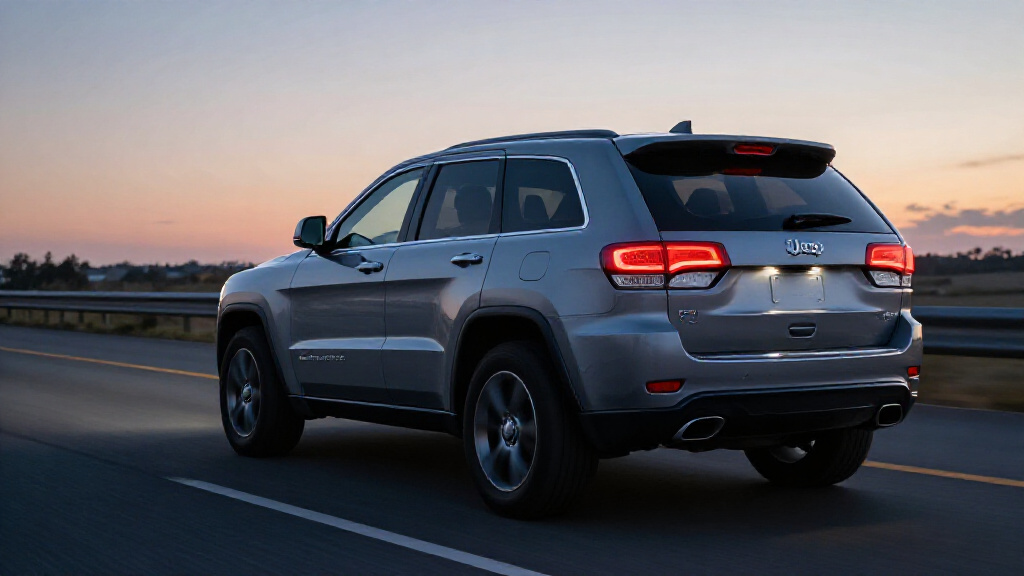
If you drive a Jeep Grand Cherokee diesel, expect issues like stalling caused by tone wheel delamination disrupting crankshaft sensor signals, especially in 2014–2016 models.
DEF system faults, including heater failures and contamination, often trigger limp mode and warning alerts.
DPF clogging reduces performance and fuel economy without proper highway driving for regeneration.
Fuel injector, turbocharger, and EGR cooler failures also impact reliability.
Understanding these symptoms helps you diagnose and prevent costly repairs as you explore detailed solutions ahead.
Key Takeaways
- 2014–2016 Jeep Grand Cherokee diesels often face stalling due to tone wheel delamination affecting crankshaft sensor signals.
- DEF system faults, including heater failures and contamination, cause “Service DEF System” warnings and can trigger limp mode.
- Diesel Particulate Filter (DPF) clogging leads to reduced engine power and requires regular highway driving for effective regeneration.
- Fuel injector and turbocharger issues cause rough idling, power loss, and fuel efficiency drops, needing thorough diagnostics.
- EGR cooler cracks may cause coolant leaks, rough engine performance, and risk costly repairs if not addressed promptly.
How Model Year Affects Jeep Grand Cherokee Diesel Reliability?

When evaluating Jeep Grand Cherokee diesel reliability, model year plays a critical role in identifying potential issues.
You’ll find the 2014 to 2016 models have a higher incidence of diesel system faults, including stalling risks linked to the tone wheel affecting crankshaft sensor signals.
These years also show more frequent complaints about fuel injection and turbocharger problems.
From 2017 onward, Jeep addressed several emission control and fuel system vulnerabilities, reducing some common failures.
Still, you should inspect each vehicle individually, as usage patterns, like short trips that hinder DPF regeneration, affect longevity.
Older models may suffer from worn components, while newer ones might present early-life software or sensor calibration glitches.
Understanding these year-specific trends helps you diagnose issues accurately and prioritize maintenance or repairs.
Additionally, ensuring proper maintenance and addressing fluid or component wear promptly is essential to prevent premature failures and extend vehicle reliability.
DEF System Problems in Jeep Grand Cherokees
You might notice that “Service DEF System” warnings pop up in your Jeep Grand Cherokee from time to time. Often, this happens due to DEF heater failures or even contaminated DEF fluid.
It’s pretty annoying, right? These issues can lead to reduced engine power or even put your vehicle in limp mode.
So, it’s really important to get it checked out quickly to avoid any further damage.
To start, take a look at the heater element and the quality of the DEF fluid. This can help you accurately pinpoint the problem.
Trust me, addressing it sooner rather than later will save you a lot of headaches down the road!
Keep in mind that cold weather can also cause issues related to fuel gelling, which may compound DEF system problems in diesel vehicles.
DEF Heater Failures
Although the DEF heater plays a critical role in maintaining the proper temperature of diesel exhaust fluid to guarantee peak emissions control, failure of this component often triggers the “Service DEF System” warning.
It can force your Jeep Grand Cherokee into limp mode.
The heater’s primary function is to prevent DEF from freezing in low temperatures, ensuring accurate dosing for SCR emissions reduction.
When the heater fails, sensors detect abnormal DEF temperature, prompting fault codes P20EE or P20EF.
You’ll notice reduced engine power as the ECU limits performance to protect the emissions system.
Diagnosing requires checking heater resistance and wiring continuity.
Repair often involves replacing the DEF heater assembly, with costs varying by model year.
Prompt attention prevents further SCR system damage and potential costly repairs.
In addition, prolonged DEF system malfunctions can lead to urea crystallization, which may cause injector clogging and further engine performance issues.
Contaminated DEF Fluid
Contaminated DEF fluid can throw off your Jeep Grand Cherokee’s emissions system by disrupting the selective catalytic reduction (SCR) process.
When impurities enter the DEF tank, they can damage the DEF injector or clog the dosing system. This leads to inaccurate ammonia delivery and triggers “Service DEF System” warnings.
You might notice reduced engine power or limp mode as the system limits performance to protect components. Diagnosing contamination involves checking DEF quality and inspecting sensors for faults.
Since DEF contamination often results in costly repairs, ranging from $400 to $2,500, you need to act quickly. Avoid using non-certified DEF fluid and make sure the reservoir remains sealed to reduce contamination risk.
Promptly addressing DEF fluid issues helps maintain SCR efficiency and prevents escalation of emissions-related damage. Using ISO 22241-compliant DEF fluid is critical to ensure consistent purity and avoid sensor faults in the SCR system.
How DPF Clogging Impacts Performance and Fuel Economy?
When the Diesel Particulate Filter (DPF) clogs, your Jeep Grand Cherokee’s performance immediately suffers.
The filter restricts exhaust flow, causing backpressure that reduces engine efficiency.
This leads to sluggish acceleration and increased fuel consumption as the engine works harder to overcome the blockage.
Incomplete DPF regeneration, often triggered by frequent short trips, worsens clogging issues.
Here’s how DPF clogging impacts your vehicle:
- Reduced Power Output: Backpressure limits exhaust flow, impairing turbocharger performance and overall engine power.
- Higher Fuel Economy: The engine injects more fuel to compensate for reduced airflow, increasing consumption.
- Frequent Warning Lights: Repeated DPF warnings indicate ongoing regeneration failures and system stress.
Addressing clogging promptly is critical to restoring peak performance and fuel efficiency. Using diesel fuel additives can help clean the fuel system and improve combustion, reducing the likelihood of DPF clogging.
Signs of EGR Cooler Failures and Engine Risks
Beyond DPF issues, the Exhaust Gas Recirculation (EGR) cooler represents another common failure point in your Jeep Grand Cherokee’s emissions system.
Cracks in the EGR cooler often cause coolant leaks, raising the risk of engine fires if left unaddressed. You might notice rough idling, engine knocking, or a check-engine light triggered by EGR-related faults.
Additionally, soot buildup can cause sticking valve behavior, further degrading engine performance. Diagnosing these failures requires checking for coolant contamination in the intake and inspecting the EGR cooler for visible damage or leaks.
Early detection is critical to prevent overheating and severe engine damage. If you experience these signs, prompt inspection and repair will protect your engine’s longevity and maintain emissions compliance.
Post-shutdown whirring noises may also indicate underlying emissions system malfunctions related to EGR cooler issues, warranting further diagnostic attention.
Fuel Pump and Injector Problems in Diesel Grand Cherokees
Fuel delivery issues often manifest as hard starts, rough idling, and decreased fuel efficiency in diesel Grand Cherokees. These symptoms usually indicate problems with the fuel pump or injectors.
You should consider the following diagnostic points:
- Fuel Contamination: Diesel with water or impurities can cause injector clogging and pump wear. This leads to misfires and smoke.
- Injector Wear: Worn or leaking injectors reduce spray precision. This causes uneven combustion and performance loss.
- Pump Reliability: Injection pumps are a known weak point. Failure can cause intermittent fuel pressure drops and starting difficulties.
To diagnose, use fuel pressure tests and injector flow analysis. Addressing contamination early and using high-quality diesel fuel helps prevent damage.
If you notice persistent rough running, inspect the fuel system components promptly to avoid costly repairs. Regular use of diesel injector cleaner can help maintain injector health and improve engine performance.
Turbocharger and Intake System Faults to Watch For
Issues with the fuel system can sometimes mask underlying problems in the turbocharger and intake components.
When you notice whining noises, smoke from the exhaust, or power loss during acceleration, suspect turbocharger faults.
Whining noises, exhaust smoke, or acceleration power loss often indicate turbocharger problems.
Check for oil leaks and worn turbo bearings, which reduce boost pressure and cause inefficiency.
Also, inspect the air intake for clogging, which restricts airflow and leads to poor engine performance.
You might find soot buildup or damaged intake hoses impairing air delivery.
These faults often mimic other diesel drivability issues, so a thorough diagnostic is vital.
Use a boost gauge and inspect the turbocharger’s shaft play.
Addressing these early prevents further engine stress and costly repairs.
Keep your intake system clean to maintain peak performance and avoid power loss under load.
Additionally, installing a properly fitted turbo blanket can help reduce intake air temperatures, improving turbo response and protecting engine components.
Why Stalling Happens in 2014–2020 Diesel Models?
Although the stalling problem affects multiple diesel vehicles, the 2014–2020 Jeep Grand Cherokee models stand out due to a specific defect involving the tone wheel. This component can delaminate, disrupting the crankshaft sensor’s ability to accurately detect engine position. As a result, the engine may stall unexpectedly and fail to restart.
Key factors causing stalling include:
- Tone wheel delamination causing signal loss or erratic sensor readings.
- Crankshaft position sensor synchronization failure, preventing proper ignition timing.
- Recall coverage for over 80,000 vehicles due to safety risks linked to this defect.
Similar to how transmission issues in other vehicles require early diagnosis, addressing the Jeep’s stalling promptly is crucial to avoid catastrophic engine damage.
How Driving Habits Affect Diesel Emissions and Regeneration?
Regular driving habits play a critical role in maintaining the health of your Jeep Grand Cherokee diesel’s emissions system, particularly in ensuring proper Diesel Particulate Filter (DPF) regeneration.
If you frequently drive short trips or stop-and-go routes, the DPF may not reach the required temperature to burn off accumulated soot. This can cause clogging and trigger warning lights.
To prevent incomplete regeneration, incorporate consistent highway driving sessions lasting 20 to 30 minutes at moderate speeds. This promotes ideal exhaust temperatures, allowing the DPF to self-clean effectively.
Neglecting this can lead to reduced acceleration, increased fuel consumption, and repeated emissions faults. Monitoring your driving patterns closely and adjusting them to support full DPF regeneration helps avoid sensor failures and costly emissions system malfunctions.
Using a diesel code reader can help monitor DPF status and diagnose related faults early to maintain optimal emissions system health.
Repair Costs and Tips for Diesel System Issues
Understanding repair costs and maintenance tips for your Jeep Grand Cherokee diesel is essential to managing long-term reliability and performance.
DEF system repairs can range from $400 to $2,500 depending on the faulty component, such as sensors or the heater.
DPF clogging issues often require sensor replacements or forced regeneration. EGR cooler failures may involve costly replacements to prevent coolant leaks and engine damage.
- Use high-quality diesel fuel to minimize contamination and injector wear.
- Maintain weekly highway driving sessions (20-30 minutes) to support proper DPF regeneration.
- Address warning lights promptly to avoid escalating repairs and potential engine damage.
Following these guidelines helps you avoid expensive downtime. They also extend your diesel system’s life with precise, targeted diagnostics and repairs.
Frequently Asked Questions
What Are the Best Diesel Fuels Recommended for Jeep Grand Cherokees?
You should use ultra-low sulfur diesel (ULSD) fuel with cetane ratings of 45 or higher for optimal combustion and emissions control.
Choose fuels that meet ASTM D975 standards to guarantee purity and additive compatibility. Avoid contaminated or water-laden diesel, as it can cause injector and pump damage.
Premium diesel blends with detergents help keep your fuel system clean, improving performance and reducing soot buildup in emissions components.
Always source from reputable stations.
How Often Should Diesel Grand Cherokees Undergo Emissions System Inspections?
You should schedule emissions system inspections for your diesel Grand Cherokee at least once a year or every 12,000 miles, whichever comes first.
Regular checks help detect DEF system faults, EGR cooler cracks, and DPF clogging early.
If you drive mostly short trips, increase inspection frequency because incomplete DPF regeneration can accelerate wear.
Prompt diagnostics preserve performance, prevent limp mode, and avoid costly repairs linked to emissions components failing.
Are There Any Aftermarket Parts That Improve Diesel System Reliability?
You won’t find a flux capacitor for diesel reliability, but upgrading to high-quality aftermarket DEF heaters and robust sensors can reduce faults.
Investing in performance fuel filters and advanced air intake systems also helps prevent contamination and clogging.
Precision-engineered EGR coolers and turbocharger components enhance durability.
These parts target common failure points, improving system resilience and reducing limp mode risks.
Always verify compatibility and source from reputable suppliers for best results.
Can Software Updates Help Reduce Diesel System Warnings and Faults?
Yes, software updates can help reduce diesel system warnings and faults by recalibrating sensors and improving emission control logic.
They often address issues like false DEF system alerts, DPF regeneration timing, and EGR cooler management.
Applying the latest ECU firmware can optimize fuel injection and turbocharger performance, minimizing drivability problems.
However, updates won’t fix hardware failures, so you should combine them with mechanical inspections for best results.
What Maintenance Steps Prevent Turbocharger and Intake System Damage?
You’d think turbochargers and intakes could survive a hurricane with proper care, but they need regular maintenance to avoid damage.
Change your oil and filters on time to prevent bearing wear and oil leaks.
Clean or replace air filters frequently to avoid clogged intakes.
Use high-quality oil and fuel to reduce contaminants.
Regularly inspect hoses and clamps for leaks or cracks.
These steps keep airflow unrestricted and turbo parts running smoothly.
Protect Your Diesel Engine From Costly Jeep Grand Cherokee Diesel Issues
Picture your Jeep Grand Cherokee’s diesel engine as a finely tuned machine. Each component, from the DEF system to the turbocharger, works in harmony.
When issues like DPF clogging or EGR cooler failures arise, performance falters and costs climb. By diagnosing symptoms early and adapting your driving habits, you can prevent stalling and costly repairs.
Stay vigilant, and your diesel engine will keep powering your journeys efficiently and reliably.