
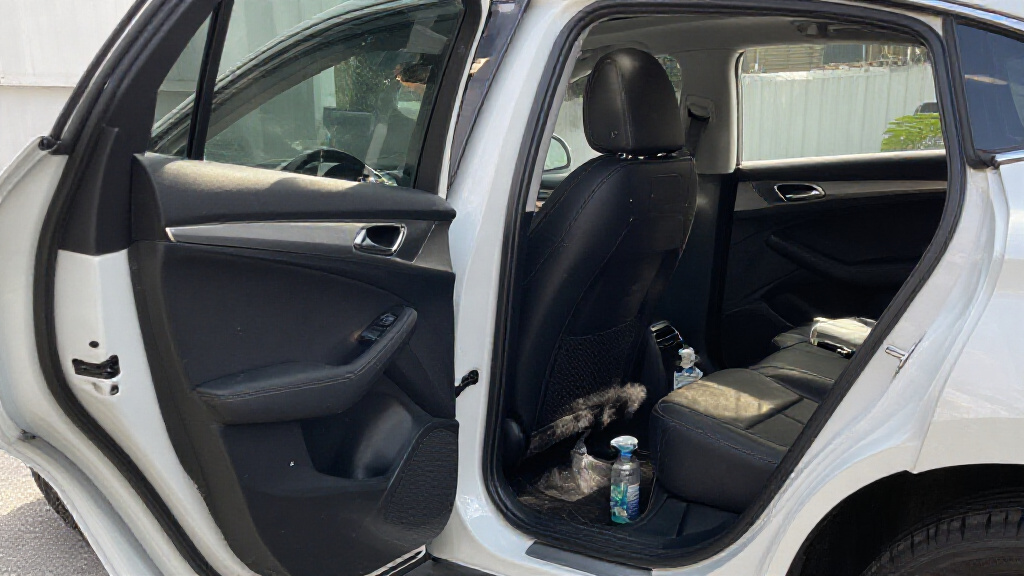
To get rid of new car smell, you’ll want to reduce volatile organic compounds (VOCs) off-gassing from interior materials by ventilating frequently and using heat-and-ventilation cycles to accelerate their release.
Inspect and clean hidden compartments, vacuum thoroughly, and avoid adding new odors with mild, pH-neutral cleaners.
Use odor absorbers like baking soda or activated charcoal on upholstery and carpets for effective VOC capture.
Consistent airflow and maintenance further help minimize lingering smells. Explore these strategies to optimize your vehicle’s air quality.
Key Takeaways
- Increase ventilation by opening windows and doors frequently, especially during the first weeks to reduce VOC concentration.
- Perform repeated heat-and-ventilation cycles by warming the interior and then airing it out to accelerate VOC off-gassing.
- Clean removable interior items and carpets, using baking soda or activated charcoal to absorb and neutralize lingering odors.
- Regularly vacuum hidden storage areas and replace cabin air filters to remove trapped contaminants and reduce odor sources.
- Use mild, pH-neutral automotive cleaners on surfaces and avoid spraying chemicals directly on vents to prevent added odors.
What Causes the New Car Smell in Your Vehicle?

Although you might enjoy the distinctive scent when you first get a new car, that smell actually results from volatile organic compounds (VOCs) off-gassing from various interior materials.
These compounds originate from dashboards, seat coverings, carpeting, door trim, sealants, and armrests. Research identifies roughly 50 to 60 different VOCs released from synthetic cabin materials, creating a complex chemical mixture rather than a single odor.
You should understand that VOC emissions continue after purchase, as interior plastics, adhesives, foams, and textiles gradually release compounds over time.
The VOC concentration peaks in the first weeks or months of ownership, which explains why the scent is strongest initially.
This ongoing off-gassing process is the primary cause behind the persistent new car smell you experience.
The intensity and duration of this scent are influenced by factors such as the vehicle’s material composition, climate conditions, and ventilation practices.
How to Find and Remove Hidden Odor Sources?
To start, take a good look at those hidden storage areas, like the trunk, glove box, and under-seat compartments. You’d be surprised how much VOCs and debris can get trapped in these spots. It’s a bit of a treasure hunt, but it’s worth it!
Next, don’t forget to remove and clean any covers, liners, or child seat components that you can take out. These parts can really hold onto odors and mess with the airflow. By tackling these hidden sources, you’re making a big step toward reducing that persistent new car smell. Trust me, your car will thank you!
Also, be sure to vacuum carpets and crevices meticulously to eliminate odor-causing particles trapped in fabric and tight spaces.
Check Concealed Storage Areas
Digging into concealed storage areas like the glove box, trunk, under seats, and seat pockets is essential for identifying hidden odor sources.
These compartments often trap residual VOCs and contaminants from shipping materials or manufacturing residues, intensifying the new car smell.
Begin by emptying each space completely, inspecting for debris, packaging remnants, or absorbed moisture.
Use a vacuum with narrow attachments to remove dust and particulate matter that can harbor odors.
Follow with a mild, VOC-safe cleaner applied with a microfiber cloth to wipe all surfaces, ensuring no cleaning solution pools in corners or seams.
Pay particular attention to foam liners or rubber mats inside trunks or under seats, as these materials can off-gas or absorb odors.
Regularly checking and cleaning these concealed areas accelerates odor reduction and improves overall cabin air quality.
Ensure the surfaces are properly dried in a well-ventilated area to prevent mold and mildew buildup.
Inspect Removable Covers
After thoroughly cleaning concealed storage areas, turn your attention to removable covers, which often harbor persistent odors that can undermine your efforts. These covers, such as seat liners, child seat pads, and armrest cushions, trap VOCs and residue, slowing odor dissipation.
To address this, remove all covers and assess their material and construction for VOC retention potential. Launder or clean them according to manufacturer guidelines, ensuring complete drying to prevent microbial growth, which can exacerbate smells.
Focus on these steps:
- Identify all removable fabric or foam covers in the cabin.
- Remove covers carefully to avoid contaminating other surfaces.
- Use appropriate cleaning agents for synthetic or natural fibers.
- Dry covers thoroughly in sunlight or a ventilated area.
- Reinstall only after confirming odor elimination and dryness.
This method targets hidden odor reservoirs, improving overall cabin air quality. For stubborn odors, consider using baking soda as an odor absorber on the covers before vacuuming to enhance odor removal.
How Ventilating Your Car Helps Remove Odors?
Ventilating your car is a great way to tackle those pesky odors. By circulating fresh air through the interior, you help dilute and carry away those unwanted smells. It’s a pretty straightforward process!
Now, if you want to speed things up a bit, applying heat can really help. When you use heat cycles, it encourages volatile organic compounds (VOCs) to escape more quickly. So, after heating up your car, make sure to ventilate it well.
And here’s a tip: repeating those heat-and-vent cycles can really boost your results. It turns out that doing this is much more effective for reducing odors than just relying on ventilation alone. So, give it a try!
Additionally, regular air vent cleaning can improve airflow and further reduce trapped odors inside your vehicle.
Benefits of Fresh Air
Frequently overlooked, proper ventilation plays a critical role in reducing the new car smell by accelerating the removal of volatile organic compounds (VOCs) from the cabin.
When you ventilate your car, you facilitate the exchange of contaminated indoor air with fresh outdoor air, lowering VOC concentration swiftly.
This process decreases the intensity of chemical odors emitted by synthetic materials.
To optimize fresh air benefits, you should:
- Open all windows or doors to maximize airflow.
- Park in well-ventilated outdoor areas.
- Use cross-ventilation to enhance air exchange efficiency.
- Ventilate immediately after driving to expel trapped VOCs.
- Prioritize ventilation during the initial weeks of ownership when VOC emissions peak.
Consistent fresh air circulation markedly reduces VOC accumulation, improving cabin air quality and hastening odor dissipation. Additionally, increasing ventilation helps prevent the buildup of mold and fungi that can cause persistent odors and health issues.
Heat and Vent Cycles
Harnessing cycles of heat and ventilation accelerates the reduction of volatile organic compounds (VOCs) responsible for new car odors.
When you park your car in sunlight, interior temperatures rise, increasing the rate at which VOCs off-gas from synthetic materials. After warming the cabin, opening all windows or doors facilitates rapid air exchange, expelling concentrated VOCs.
Repeating this heat-and-vent cycle multiple times enhances the efficiency of odor removal compared to continuous ventilation alone. You should guarantee adequate airflow by positioning the vehicle in a well-ventilated outdoor area, preventing VOC accumulation.
This method leverages temperature-driven volatility and airflow dynamics to expedite the dissipation of chemical emissions. It thereby reduces the intensity of the new car smell more effectively and consistently over time. Using fans or a dehumidifier during ventilation can further improve air circulation and moisture control, aiding in faster odor elimination ventilation techniques.
Using Heat and Vent Cycles to Remove Odors
Although ventilation alone helps reduce VOC concentrations, combining heat and vent cycles accelerates the off-gassing process by increasing the release rate of trapped compounds from interior materials. You can harness this method to expedite odor removal effectively.
Combining heat and ventilation speeds up off-gassing, effectively accelerating odor removal from interiors.
Start by parking your car in direct sunlight to raise interior temperatures, which enhances VOC volatility. Then, open all doors and windows fully to facilitate rapid air exchange, flushing out released compounds.
Repeating this process multiple times daily optimizes VOC reduction.
Key steps to follow:
- Park in sunlight to warm the cabin
- Open all doors and windows for maximum airflow
- Cycle heating and ventilation for several hours
- Avoid recirculating air to prevent VOC buildup
- Repeat heat-vent cycles over multiple days for best results
This approach leverages temperature-driven off-gassing and sustained ventilation to minimize new car odors efficiently. Using fresh air mode instead of recirculate helps reduce the concentration of volatile organic compounds and prevents odor buildup inside the vehicle.
Best Ways to Absorb Odors From Carpets and Upholstery
Effectively absorbing odors from carpets and upholstery requires targeting the porous materials that tend to retain volatile organic compounds longer than hard surfaces. To do this, sprinkle baking soda evenly on carpets and cloth seats, allowing several hours for it to absorb VOCs before vacuuming thoroughly.
You can also place open containers of baking soda or activated charcoal bags inside the cabin as passive absorbers. This leverages their porous structures to trap odor-causing molecules. Vacuum upholstery meticulously, focusing on seams and crevices where VOCs accumulate.
This absorption strategy complements prior cleaning steps by focusing on odor retention hotspots in soft materials. Consistent application of these absorbers after deep cleaning accelerates odor reduction by chemically capturing residual VOCs. This approach is essential for managing new car smell embedded within textile surfaces.
For an added layer of cleanliness and protection, consider using eco-friendly waterless car wash products that safely clean without introducing additional moisture, which can exacerbate odors in upholstery.
Cleaning Interior Surfaces Without Adding Odors
Clean interior surfaces regularly using mild, specialized products designed for automotive materials to avoid introducing new odors. Harsh chemicals can leave residues that react with VOCs, worsening the smell.
Use microfiber cloths to prevent scratching. Avoid spraying cleaners directly on sensitive areas like vents or screens to reduce chemical buildup.
Focus on these precise actions:
Choose pH-neutral, automotive-safe interior cleaners.
Test products on inconspicuous areas before full application.
Wipe dashboards, consoles, door panels, and steering wheels thoroughly.
Vacuum dust and debris to minimize odor retention.
Clean high-touch areas weekly to prevent residue accumulation.
This analytical approach guarantees you maintain a fresh cabin environment without inadvertently adding new scent compounds or residues that prolong VOC off-gassing. Regularly replacing the cabin air filter also helps reduce trapped pollen and allergens that could contribute to interior odors.
Best Odor Absorbers to Beat New Car Smell
Maintaining a clean interior sets the stage for odor control. Neutralizing persistent new car smells requires targeted absorption methods.
You’ll want to use absorbers that effectively capture volatile organic compounds (VOCs) emitted from synthetic materials without masking odors. Baking soda and activated charcoal are proven agents that adsorb chemicals from carpet fibers and upholstery. Silica gel packets also help reduce moisture, indirectly limiting odor intensity by slowing VOC release.
Using these absorbers strategically accelerates odor reduction while maintaining air quality.
| Absorber | Function |
|---|---|
| Baking Soda | Adsorbs moisture and VOCs |
| Activated Charcoal | Captures chemical compounds |
| Silica Gel Packets | Controls humidity to reduce VOCs |
| Coffee Grounds | Natural odor neutralizer |
Incorporate these absorbers after cleaning for best results.
How Regular Cleaning and Vacuuming Prevent Odor Build-Up?
Consistently vacuuming and cleaning your car’s interior reduces the accumulation of dirt, dust, and organic residues that contribute to odor formation.
By removing these odor precursors, you effectively limit the environment where volatile organic compounds (VOCs) can concentrate and intensify the new car smell.
Regular maintenance also prevents secondary odor sources like spills or food particles from embedding in fabrics or carpets.
To optimize odor control, focus on these key tasks:
- Vacuum carpets, upholstery, and seat seams thoroughly to remove embedded particles.
- Wipe hard surfaces with mild interior cleaners to eliminate dust and residues.
- Clean high-touch areas regularly to prevent microbial growth.
- Address spills immediately to avoid organic matter degradation.
- Remove debris from hidden compartments and under seats.
This disciplined cleaning regimen serves as a proactive barrier against odor buildup.
How Long New Car Smell Lasts and When to Worry?
Although the new car smell typically diminishes within a few months, its duration depends on factors like ventilation, temperature, and material composition.
Volatile organic compounds (VOCs) emitted from synthetic cabin materials off-gas progressively, with emissions peaking shortly after purchase and declining over time.
Poor ventilation, cooler temperatures, or dense materials can prolong VOC release, extending the odor for six months or more.
You should monitor for persistent or intensifying odors beyond this period, as they may indicate trapped contaminants or mold growth.
If symptoms like headaches or respiratory irritation appear, it’s advisable to investigate further and improve airflow or consult a professional.
Regular airing, heat cycles, and cleaning accelerate VOC dissipation, minimizing exposure and potential health risks linked to prolonged VOC presence in the cabin environment.
Frequently Asked Questions
Are There Any Health Risks Associated With New Car Smell?
Yes, you should be cautious with new car smell because it results from volatile organic compounds (VOCs) emitted by interior materials.
These VOCs can cause short-term health effects like headaches, dizziness, eye irritation, and respiratory discomfort, especially in sensitive individuals.
Prolonged exposure might increase risks, so you should ventilate your car thoroughly and avoid excessive time inside until off-gassing decreases to minimize health hazards.
Can New Car Smell Trigger Allergies or Asthma?
You might think new car smell could instantly send your allergies or asthma into overdrive.
While it won’t cause immediate chaos for everyone, those sensitive to volatile organic compounds (VOCs) can experience irritation or breathing issues.
The mixture of 50-60 VOCs off-gassing from interior materials can trigger symptoms in susceptible individuals.
Managing ventilation and reducing VOC exposure helps minimize these reactions, especially if you have pre-existing respiratory conditions.
Do Electric Cars Have the Same New Car Smell?
Yes, electric cars do have the same new car smell because the odor originates from volatile organic compounds (VOCs) off-gassing from interior materials, which are similar in both electric and conventional vehicles.
While electric cars lack an internal combustion engine, their cabins still contain plastics, adhesives, and textiles that release VOCs.
You’ll notice the smell especially during the first weeks, as these compounds off-gas regardless of the vehicle’s powertrain type.
Are There Professional Treatments to Eliminate New Car Smell Quickly?
Imagine a technician sealing your car in a clear, airtight chamber while ozone or activated oxygen circulates, targeting VOC molecules.
Yes, professional treatments like ozone generators, ionizers, or thermal fogging exist to accelerate new car smell removal.
These methods break down odor-causing compounds rather than masking them.
You’ll find them effective for rapid VOC reduction, but they require expert handling and proper ventilation afterward to guarantee safety and lasting results.
Does New Car Smell Affect the Car’s Resale Value?
New car smell generally doesn’t affect your car’s resale value directly. Buyers often associate it with freshness and low mileage.
However, if the odor is excessively strong or chemically overwhelming, it might raise concerns about air quality or material off-gassing. This could potentially deter sensitive buyers.
To maintain peak resale value, guarantee proper ventilation and odor control. This signals a well-maintained, healthy cabin environment that appeals to most purchasers.
Enjoy a Cleaner, Healthier Car Interior
Think of new car smell like a fresh paint scent. It’s strongest at first but fades with proper ventilation and cleaning.
By regularly airing out your vehicle, targeting hidden odor sources, and using effective absorbers, you can accelerate this process.
Studies show that consistent ventilation can reduce volatile organic compounds by up to 50% within weeks.
So, stay proactive with cleaning and airing, and you’ll transform that chemical cloud into a fresh, neutral cabin environment much sooner than you expect.


