You’ll find that PPF (Paint Protection Film) offers robust physical defense, absorbing impacts from chips and scratches with its thick, multi-layered TPU structure and self-healing top coat.
In contrast, ceramic coating chemically bonds to your paint, delivering UV and chemical resistance plus a hydrophobic, glossy finish but little impact protection.
PPF lasts longer and needs skilled installation, while ceramic coating enhances cleaning ease and shine.
Understanding these differences is key to choosing or combining them for superior vehicle protection.

- USAGE – XPEL Clear Paint Protection Film helps shield your vehicle’s finish from chips,…
- APPLICATION – Clean and prep the surface, then use a slip solution to position the film. Once…
- EXTERIOR PROTECTION – Defends your paint from road debris, gravel, and abrasions. XPEL PPF extends…
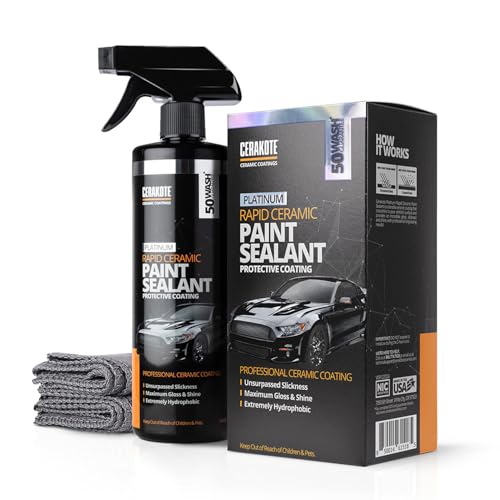
- Industry Leading 50 Wash Rating – We’ve taken our top performing paint sealant and made it even…
- Maximum Gloss and Shine – Hands down the highest level of gloss and shine you will ever…
- Quick and Easy to Apply – Simply wash and dry your vehicle as you normally would. Then, evenly spray…
Key Takeaways
- PPF is a thick, impact-absorbing film that protects against stone chips and scratches, while ceramic coating is a thin, chemical barrier enhancing gloss and hydrophobicity.
- PPF offers superior physical protection with self-healing top coats, whereas ceramic coating primarily resists UV damage, chemicals, and minor scratches.
- Ceramic coating creates a hydrophobic surface that repels water and contaminants, reducing cleaning frequency; PPF provides limited water repellency without added coatings.
- PPF typically lasts 5–10 years with physical protection, while ceramic coatings last 2–5 years focusing on chemical and UV resistance.
- Combining PPF and ceramic coating offers comprehensive protection: PPF guards against impacts, and ceramic coating improves gloss and ease of maintenance.
PPF vs Ceramic Coating: Side-by-Side Protection Analysis
| Feature | Paint Protection Film (PPF) | Ceramic Coating |
|---|---|---|
| Primary Protection | Physical defense against chips, scratches, and impacts | Chemical resistance to UV rays, oxidation, and contaminants |
| Material Composition | Multi-layered thermoplastic urethane (TPU) with self-healing top coat | Silicon dioxide (SiO₂) liquid polymer that chemically bonds to paint |
| Thickness | 6-12 mils providing substantial impact absorption | Nano-coating measuring microns thin |
| Durability & Longevity | 5-10 years with proper maintenance | 2-5 years requiring reapplication |
| Self-Healing Properties | Heat-activated polymers repair minor scratches automatically | No self-healing capability |
| Hydrophobic Effect | Limited water repellency unless combined with coating | Excellent water beading with contact angles exceeding 100° |
| Installation Complexity | Highly complex requiring specialized skills, tools, and multi-day process | Simpler application with uniform hand application |
| Maintenance Requirements | Standard washing methods, careful edge cleaning | pH-neutral soaps and gentle washing to preserve coating |
| Best Protection Against | Rock chips, scratches, abrasions, road debris | Chemical stains, UV damage, bird droppings, water spots |
| Appearance Enhancement | Invisible protection maintaining original paint finish | Enhances gloss and depth with showroom shine |
| Resale Value Impact | Significantly preserves paint condition, commanding higher trade-in prices | Moderately enhances appearance and maintains aesthetic appeal |
What Is Paint Protection Film (PPF)?
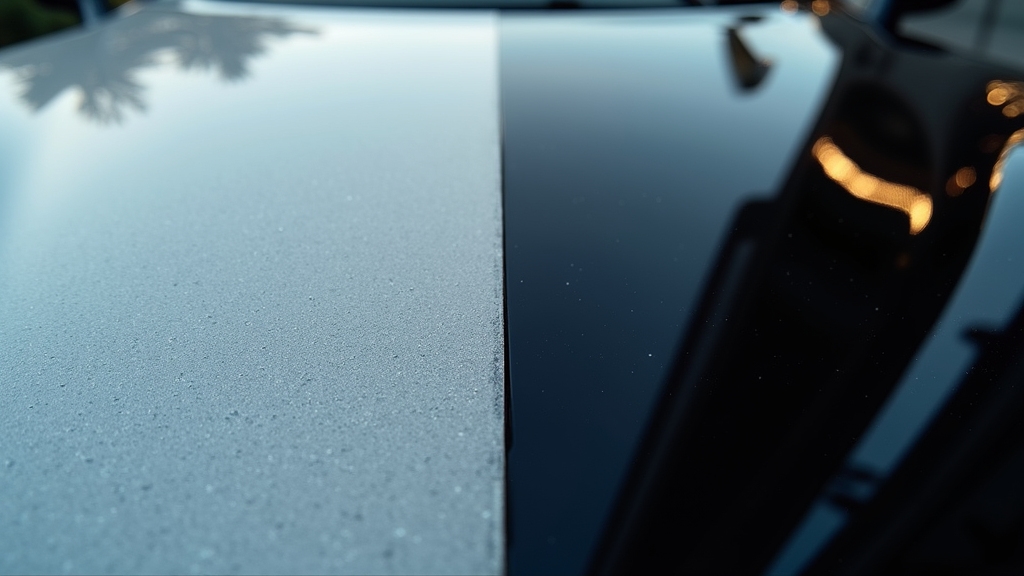
What exactly is Paint Protection Film (PPF), and how does it safeguard your vehicle’s finish?
PPF is a transparent, thermoplastic urethane film designed to protect painted surfaces from physical damage like stone chips, bug splatters, and minor abrasions.
A clear urethane film shielding your vehicle’s paint from chips, bugs, and scratches.
Made from multi-layered polyurethane, it includes a polyester release liner, a secure adhesive layer, and a self-healing top coat that repairs scratches with heat. Its durability is comparable to some high-performance synthetic oils known for protecting engine components under stress.
This film absorbs impact energy and resists UV radiation, preventing paint fade and chemical damage while repelling contaminants such as bird droppings and tree sap.
Originally developed during the Vietnam War to protect helicopter rotor blades, PPF’s military origins highlight its strength and durability.
OEM-approved and custom-cut for your vehicle’s contours, PPF is applied with precision using slip solutions and cures to an invisible, durable finish.
This gives you peace of mind by preserving your paint’s integrity under challenging conditions.
What Is Ceramic Coating?
While Paint Protection Film offers a physical barrier against chips and scratches, ceramic coating enhances your vehicle’s paint by chemically bonding to its surface.
This silica-based liquid polymer cures into a thin, durable shell primarily composed of silicon dioxide (SiO2). It provides exceptional resistance to UV rays, chemical contaminants, and oxidation.
It also adds an extra layer of protection against environmental factors that can damage the paint over time. However, it is important to note that ceramic coatings do not provide significant impact resistance against rock chips.
Applied by hand on a meticulously cleaned surface, it forms a hydrophobic layer that repels water and dirt while enhancing gloss and paint depth.
| Property | Description | Benefit |
|---|---|---|
| Composition | Silicon dioxide & polymers | Durable, chemical bond |
| Application | Hand-applied, cured 24-48 hrs | Even coverage, longevity |
| Hardness | Up to 9H pencil scale | Scratch & swirl resistance |
| Hydrophobicity | Water and dirt repellence | Easier cleaning, less watermarks |
| Longevity | Several years with maintenance | Cost-effective protection |
How PPF Protects Against Physical Damage?
When you apply Paint Protection Film (PPF) to your vehicle, it really makes a difference. This multi-layered film works hard to absorb and disperse impact energy from things like flying debris, which means it helps prevent those annoying chips and dents. Pretty cool, right?
Now, let’s talk about the thickness of the film. Typically, it ranges from 6 to 8 mils, and that gives it a solid physical barrier against scratches and minor abrasions. The film also includes a clear top coat that provides scratch, stain, and UV resistance, enhancing its protective qualities. Additionally, advanced coatings can block up to 99% of harmful UV rays, helping to protect your car’s paint from sun damage.
So, not only does it look great, but it also provides a tough line of defense against the common physical hazards your car faces on the road.
Impact Absorption Mechanism
Because PPF employs a multi-layered structure with specialized materials, it effectively absorbs and dissipates impact energy to protect your vehicle’s paint from physical damage.
The top clear coat resists scratches and minor abrasions, while the core TPU layer flexibly absorbs kinetic energy from debris impacts. A middle TPU layer distributes this energy, preventing localized damage and reducing penetration risk.
TPU’s elasticity and toughness allow it to absorb up to 99% of impact force, flexing without cracking or tearing. This layered design diffuses impact stresses, minimizing force concentration on the paint beneath. The multi-layer construction also includes a polyurethane layer that acts as a shock absorber enhancing durability.
Chemical resistance and UV inhibitors maintain structural integrity, ensuring consistent impact protection. Additionally, TPU’s heat-activated self-healing realigns polymer chains, preserving the film’s absorption efficiency over time.
Scratch and Chip Defense
Beyond impact absorption, PPF provides robust scratch and chip defense by serving as a sacrificial urethane barrier that shields your vehicle’s paint from direct contact with damaging elements. This protective layer is crucial in maintaining driving comfort by preventing surface imperfections that can affect visibility and aesthetics.
Its elastic, abrasion-resistant topcoat absorbs and disperses energy from flying debris, preventing scratches and paint chips.
The film’s elasticity enables micro-deformation under impact, avoiding cracks and paint displacement.
Additionally, PPF incorporates self-healing elastomeric polymers that realign with heat exposure, erasing minor surface scratches without manual repair.
This self-regeneration maintains surface smoothness and reduces maintenance.
The multilayered structure, primarily composed of thermoplastic urethane (TPU construction), enhances both strength and flexibility, allowing the film to conform to complex vehicle curves while providing impact resistance.
PPF’s hydrophobic, chemical-resistant surface further protects against contaminants that can cause staining or corrosion, complementing physical defense.
Proper installation and edge sealing ensure continuous protection, preserving your vehicle’s finish against everyday hazards like gravel or road salts.
Film Thickness Benefits
Although paint protection film (PPF) may seem like a simple shield, its thickness directly determines how well it absorbs and distributes impact energy from road debris.
Films with a polyurethane core layer measuring 6 to 8 mils provide robust protection by spreading force across hard and soft segments, balancing strength and flexibility.
Thicker films, ranging from 10 to 12 mils, enhance impact resistance by up to 30%, substantially reducing the risk of chips and scratches.
This extra thickness also extends durability, with high-quality films lasting 5 to 10 years while maintaining tensile strength under stress. Proper installation and maintenance complement these benefits by preventing premature wear and damage from environmental factors such as UV exposure.
Choosing the appropriate thickness guarantees ideal defense against physical damage, especially for vehicles exposed to harsh environments or with delicate paint finishes.
Professional installation further ensures the film’s longevity and seamless appearance, maximizing protective benefits.
This effectively preserves both appearance and resale value.
Chemical Resistance of PPF Vs Ceramic Coating
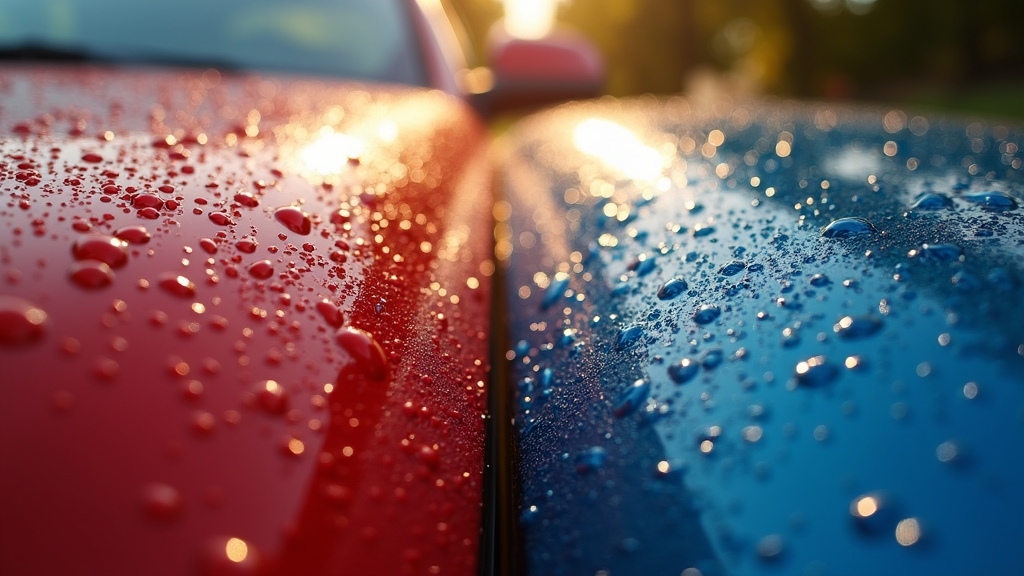
When comparing chemical resistance, ceramic coatings outperform paint protection film (PPF) due to their nano-coating composition that forms a dense, cross-linked barrier against contaminants. Proper placement of protective layers, much like correctly mounting a tire, is crucial for maintaining optimal performance and durability.
Ceramic coatings, composed of SiO₂/SiC nanoparticles, provide superior defense against chemical stains, oxidation, and corrosion compared to PPF’s thermoplastic urethane base.
You’ll notice these key distinctions:
- Chemical Stain Resistance: Ceramic coatings effectively resist water spots, bird droppings, and tree sap. PPF’s chemical defense is secondary to impact protection.
- Oxidation and Corrosion: Ceramic coatings chemically prevent oxidation, maintaining paint integrity longer than PPF, which relies on a physical barrier.
- Contaminant Shielding: The nano-layer of ceramic coatings chemically neutralizes pollutants, surpassing the primarily physical resistance offered by PPF. Like the importance of correct tire placement for vehicle safety, proper application of ceramic coatings ensures maximum protective benefits.
The chemical protection offered by ceramic coatings also enhances the vehicle’s appearance by providing a glossy, hydrophobic surface that repels contaminants more effectively.
For maximum chemical protection, ceramic coating’s molecular structure provides a distinct, scientifically superior advantage.
Hydrophobic Properties and Maintenance Benefits
Did you know that ceramic coatings can really change the game when it comes to water repellency? They achieve water contact angles that exceed 100 degrees! This means they create amazing beading and shedding compared to the wax-like water repellency of PPF.
Ceramic coatings form a strong chemical bond with the paint, creating a durable, water-repelling layer that lasts much longer than traditional treatments durable bond. This strong bond also enhances the coating’s resistance to environmental wear and tear, extending the lifespan of your vehicle’s finish.
Pretty impressive, right?
So, what does this mean for you? Well, that enhanced hydrophobicity makes cleaning your vehicle a breeze. Contaminants have a hard time sticking, which means you won’t have to clean your car as often. And who doesn’t love that? Additionally, the moisture management properties of ceramic coatings help maintain a cleaner surface by reducing residue buildup.
Being aware of these performance differences can really help you optimize your maintenance schedules. Plus, it can help you keep your vehicle’s finish looking great for longer. It’s definitely something to consider if you want to keep your ride in top shape!
Water Repellency Comparison
Since water repellency plays a crucial role in vehicle maintenance, understanding the hydrophobic properties of ceramic coatings and paint protection film (PPF) is essential.
Ceramic coatings chemically bond with your paint, creating a durable hydrophobic layer that repels water, reduces contaminants, and lasts 2–5 years. This coating, primarily made of Silicon Dioxide (SiO2), forms a hard, glass-like shield enhancing water beading.
PPF alone offers limited water repellency, but combining it with ceramic coatings substantially enhances slickness and bead formation.
Consider these key points:
- Ceramic coatings provide superior water beading and chemical resistance, minimizing water spots and grime adhesion.
- PPF’s hydrophobic effect depends on added top coatings; without them, water repellency is moderate.
- The PPF + ceramic combo offers the best protection and maintenance ease, extending hydrophobic longevity and reducing cleaning frequency efficiently.
Additionally, both layers defend against impacts, environmental hazards, and maintain vehicle aesthetics, making them essential exterior protection products for long-term vehicle appearance.
Cleaning Ease Differences
Although both PPF and ceramic coatings protect your vehicle’s surface, their hydrophobic properties markedly influence cleaning ease and maintenance requirements.
Ceramic coating forms a hydrophobic barrier that repels water and dirt, causing water to bead and roll off, effectively carrying contaminants away. This self-cleaning effect means you’ll spend less time scrubbing, as dirt adheres less and washes off with minimal effort. Additionally, maintaining such coatings often requires specific products with high-pressure capacity to ensure longevity.
In contrast, PPF lacks inherent hydrophobicity, allowing water and grime to cling more readily, especially near edges, requiring more thorough manual cleaning. PPF features self-healing properties where minor scratches disappear with heat, adding a unique maintenance benefit.
While ceramic coatings demand gentle washing with pH-neutral soaps to preserve their integrity, PPF tolerates standard wash methods, though careful cleaning prevents edge lifting.
Ultimately, ceramic coatings reduce cleaning frequency and effort, maintaining a glossy finish, whereas PPF depends on more consistent, attentive cleaning to avoid staining and debris buildup.
Maintenance Frequency Impact
When evaluating maintenance frequency, the hydrophobic properties of ceramic coatings substantially reduce the effort and intervals required to keep your vehicle clean. This characteristic helps prevent grime buildup by quickly dissolving contaminants, similar to how carbon build-up cleaners work on engine surfaces.
Unlike PPF, ceramic coatings cause water to bead and roll off, minimizing water spots and grime buildup.
Additionally, ceramic coating mainly protects against chemical damage such as oxidation and UV rays, enhancing the vehicle’s finish over time. chemical protection
To maintain these benefits, you must follow a precise regimen:
- Wash your vehicle every two weeks using pH-neutral shampoos free from wax or gloss additives to preserve coating integrity.
- Apply silica sealants or boosters every 3-4 months to rebuild and sustain the hydrophobic layer.
- Avoid harsh chemicals and automatic car washes that accelerate degradation of the coating.
This routine offers up to 50% savings on cleaning expenses by reducing dirt adherence and eliminating frequent waxing or polishing needs, unlike PPF which focuses primarily on physical protection.
Longevity and Durability Comparison
While both PPF and ceramic coatings serve to protect your vehicle’s paint, they differ markedly in longevity and durability.
PPF typically lasts 5 to 10 years, with high-quality films reaching up to a decade when maintained properly. Its self-healing technology allows minor scratches to dissipate under heat, providing superior resistance to physical damage like rock chips and abrasions. Proper installation by certified professionals ensures seamless coverage and optimal adhesion, maximizing the film’s protective benefits.
Paint protection film offers durable defense, lasting 5 to 10 years with proper care and maintenance.
Ceramic coatings, bonded permanently to the paint, last 2 to 5 years and offer a 9H hardness rating for scratch resistance. They excel against chemical damage, UV rays, and oxidation but degrade chemically over time, requiring reapplication.
For maximum durability, applying ceramic coating over PPF is recommended, combining physical and chemical protection while extending overall lifespan and preserving the film’s integrity.
Installation Processes and Professional Requirements
Though both Paint Protection Film (PPF) and ceramic coating serve to protect your vehicle’s finish, their installation processes differ markedly in complexity and skill requirements.
Installing PPF involves a multi-day procedure starting with thorough surface prep: clay barring, alcohol cleaning, and lint-free drying to remove contaminants. Surface preparation is critical for seamless adhesion, with skilled technicians meticulously cleaning and prepping the vehicle surface.
PPF installation begins with meticulous surface preparation including clay barring, alcohol cleaning, and careful drying to ensure cleanliness.
You’ll need specialized tools like heat guns, squeegees, and precision cutters to apply the film using slip solutions for repositioning, followed by careful heat application and bubble removal.
Professional installers must expertly handle various PPF types, ensuring perfect alignment, trimming, and edge sealing to prevent defects.
This demands advanced skills in film manipulation and curing.
In contrast, ceramic coating application is generally less labor-intensive, requiring expert surface prep but simpler, uniform application without cutting or heat shaping.
This reflects the distinct professional expertise each protection method necessitates.
Combining PPF and Ceramic Coating for Maximum Protection
When you combine Paint Protection Film (PPF) with ceramic coating, you create an all-encompassing shield that tackles both physical and chemical threats to your vehicle’s finish.
This dual-layer system considerably extends paint longevity by preventing damage from abrasions, UV rays, oxidation, and contaminants. PPF adheres directly to the paint, ensuring optimal protection and forms the foundation for the ceramic coating to bond effectively.
The synergy enhances hydrophobicity, making cleaning easier and reducing maintenance frequency.
Ceramic coating also intensifies gloss and prevents PPF discoloration, maintaining showroom-quality aesthetics.
Key benefits include:
- Superior defense: PPF absorbs physical impacts while ceramic coating blocks chemical degradation and UV damage.
- Hydrophobic synergy: Enhanced water and dirt repellency reduces grime adherence and cleaning effort.
- Value preservation: The combined protection minimizes paint deterioration, boosting resale value and cutting repair costs.
This thorough approach delivers unmatched durability, appearance, and long-term protection.
Frequently Asked Questions
Can PPF or Ceramic Coating Be Applied to Motorcycles or Boats?
Yes, you can apply both PPF and ceramic coating to motorcycles and boats.
PPF offers robust protection against physical impacts, which is ideal for high-impact areas on motorcycles and boats.
Ceramic coating provides a durable, hydrophobic layer that resists UV damage and chemical stains, enhancing gloss and making cleaning easier.
For maximum results, you’ll need professional installation and thorough surface preparation to guarantee proper adhesion and long-lasting protection.
How Do PPF and Ceramic Coatings Affect Vehicle Resale Value?
You’ll find that PPF critically boosts resale value by preserving flawless paint against chips and scratches, especially in harsh conditions. It often commands higher trade-in prices.
Ceramic coatings enhance gloss and protect from UV damage, adding moderate resale value by maintaining appearance.
Combining both maximizes value: PPF shields paint integrity while ceramic coating maintains shine.
Proper installation and maintenance are vital to guarantee these benefits positively influence your vehicle’s resale price.
Are There Any Environmental Concerns With Disposing of PPF Materials?
Yes, you should be aware that disposing of PPF materials raises environmental concerns. PPF is made from thermoplastic polyurethane, which resists degradation, causing it to persist in landfills for long periods.
Incineration can release toxic byproducts. To mitigate this, you can opt for mechanical recycling or emerging enzymatic degradation methods. Proper disposal and recycling markedly reduce environmental impact, preventing pollution and minimizing landfill volume.
Do PPF and Ceramic Coatings Require Special Cleaning Products?
You’d think cleaning PPF and ceramic coatings is rocket science. They both demand special products.
For PPF, you must use pH-neutral soaps, avoiding harsh chemicals that can ruin the film’s self-healing properties. Ceramic coatings need gentle, residue-free detergents to preserve their hydrophobic layer.
Never use abrasive tools; instead, stick to microfiber mitts and mild cleaners.
Using the right products guarantees you protect and prolong these advanced surfaces’ lifespan and appearance.
Can DIY Kits for PPF or Ceramic Coating Provide Professional-Level Results?
You won’t achieve professional-level results with DIY kits for PPF or ceramic coating.
These kits use consumer-grade materials lacking advanced durability and self-healing properties.
Plus, applying them flawlessly requires expert skills, specialized tools, and extensive experience to avoid bubbles, wrinkles, or uneven coverage.
Without professional training and high-quality products, your finish will likely have imperfections and reduced longevity.
This compromises protection and appearance compared to expert installations.
PPF, Ceramic Coating, or Both? Your Next Steps
You’ll find that PPF offers unparalleled physical protection and impact resistance, while ceramic coating excels in chemical resistance and hydrophobic properties.
You’ll save time with PPF’s self-healing surface, and you’ll enjoy easier maintenance thanks to ceramic coating’s water-repellent finish.
You’ll invest more upfront with PPF, but you’ll benefit from longer durability with ceramic coating.
Ultimately, combining both gives you thorough protection, enhanced longevity, and optimized vehicle care.

- 3M Scotchgard paint protection film is virtually invisible once installed
- Clear polyurethane film is 8mil thick with adhesive backing
- Product applied to reduce paint chips and road damage

- ✅ THE NEXT GENERATION OF PROTECTION FOR YOUR ENTIRE VEHICLE! Adam’s UV Graphene Ceramic Coating…
- ✅ PATENT PENDING UV TRACING TECHNOLOGY! Infused with patent-pending Ceramic Glow Technology. This…
- ✅ ULTRA HIGH GLOSS, DEPTH OF COLOR! Now with 50% more coating resin and additional silicate resin…
Last update on 2026-03-26 / Affiliate links / Images from Amazon Product Advertising API