If your transmission hesitates or delays shifting, it’s often due to low or degraded fluid, worn seals or bands, faulty shift solenoids, or sensor malfunctions disrupting hydraulic pressure and control signals.
Cold weather can thicken fluid, worsen delays, and cause seal contraction, further impeding shifts. Ignoring these signs risks accelerated wear and costly failure.
Understanding the mechanical, electronic, and maintenance factors involved will help you pinpoint causes and identify effective solutions.
Key Takeaways
- Low or contaminated transmission fluid and clogged filters commonly cause delayed shifting by reducing hydraulic pressure and gear engagement efficiency.
- Worn seals, bands, and faulty shift solenoids mechanically impair timely gear changes, causing hesitation and erratic shifting behavior.
- Cold weather increases fluid viscosity, reducing hydraulic pressure and causing sluggish shifts and delayed gear engagement.
- Diagnosing delayed shifting involves scanning for fault codes, testing shift solenoids, inspecting fluid condition, and checking sensor signals.
- Ignoring delayed shifting leads to accelerated transmission wear, overheating, potential failure, and increased repair costs.
Causes of Transmission Delayed Shifting
When you experience delayed shifting in your transmission, several underlying causes could be responsible, ranging from low or contaminated transmission fluid to failing internal components.
Low fluid levels reduce hydraulic pressure, causing gear hesitation. Dirty fluid degrades lubrication and cooling, increasing friction and wear. Worn parts like clutches and valves diminish internal pressure, exacerbating delay, especially in high-mileage vehicles. Proper fluid maintenance is critical to prevent damage and ensure optimal transmission performance.
Additionally, malfunctioning shift solenoids disrupt fluid flow, delaying or missing shifts due to heat and vibration damage. Torque converter faults impair power transfer, causing hesitation and poor acceleration. A faulty transmission control module can also affect shift timing, leading to inconsistent gear changes.
Ultimately, electrical issues involving faulty sensors or the Transmission Control Module (TCM) send incorrect signals, leading to erratic shifting.
Identifying the precise cause requires thorough inspection of fluid condition, mechanical components, solenoid function, torque converter integrity, and electrical systems.
Symptoms and Signs of Delayed Shifting
Identifying delayed shifting starts with recognizing specific symptoms that signal transmission issues.
You might notice hesitation lasting seconds when shifting from park to drive, followed by a jerk as the gear finally engages.
Lag time between your input and transmission response, or a momentary pause before the vehicle moves despite accelerator pressure, also indicates delayed shifting. These symptoms may worsen if internal components suffer from fluid contamination.
During acceleration, expect a loss of power, especially on inclines, or transmission slipping into neutral unexpectedly. These issues often indicate potential transmission failure, which can create dangerous road situations.
Auditory signs include grinding, whining, or clunking noises during gear changes.
Watch for dashboard warnings and elevated transmission temperature readings.
Physically, a burning smell, dark or leaking transmission fluid, and rough gear shifts further confirm delayed shifting.
These symptoms collectively pinpoint transmission performance degradation, demanding timely diagnostic evaluation.
Internal Mechanical Factors Affecting Shifts
Although delayed shifting can stem from various causes, internal mechanical factors within the transmission system often play a critical role.
Delayed shifting often originates from internal mechanical issues within the transmission system.
You must monitor transmission fluid levels and quality because low or degraded fluid reduces hydraulic pressure essential for gear engagement and damages seals.
Regular checks of fluid color and odor are essential to identify problems early, as transmission fluid condition directly affects performance. Using high-quality synthetic fluids like Mobil 1 synthetic oil can enhance fluid longevity and transmission reliability.
Hardened or worn seals and bands lose their ability to maintain proper pressure, causing sluggish shifts.
Additionally, shift solenoids control fluid flow; their mechanical failure disrupts valve operation, leading to inconsistent gear changes.
A clogged transmission filter restricts fluid flow, further lowering pressure and impairing performance.
Finally, transmission pump degradation diminishes the system’s capacity to generate necessary hydraulic pressure, escalating shift delays progressively.
Addressing these mechanical elements promptly is essential to maintain timely and precise gear transitions.
Electronic and Sensor-Related Issues
Internal mechanical factors substantially influence shift timing, but electronic components and sensors also play a pivotal role in controlling transmission performance.
Shift solenoids regulate fluid flow for gear engagement; when their electromagnetic coils or plungers malfunction due to heat or vibration, you’ll notice delayed or erratic shifts. These failing shift solenoids often require replacement or repair to restore smooth operation.
Transmission sensors relay essential data like speed and gear position to the Transmission Control Module (TCM). If sensors send incorrect signals or wiring degrades, the TCM mismanages shift timing, causing hesitation or rough engagement.
TCM faults, including software glitches or hardware failures, further disrupt gear changes. Diagnosing these issues requires scanning tools to identify fault codes, as sensor and electronic malfunctions degrade hydraulic control. This increases mechanical wear through prolonged slipping or harsh shifts.
Electrical connectivity problems, such as corroded or loose wiring, interrupt communication among solenoids, sensors, and the TCM, compounding delays.
Maintenance and Fluid-Related Factors

Because transmission fluid directly affects hydraulic pressure and lubrication, maintaining its proper level and condition is critical to preventing delayed shifting. Low or contaminated fluid reduces hydraulic pressure and impairs lubrication, leading to delayed gear engagement, increased wear, and overheating.
Using the correct type of fluid tailored to your vehicle’s mileage can further enhance transmission performance and longevity.
Regularly inspect fluid levels, color, and viscosity. Replace fluid per manufacturer intervals, typically every 30,000 to 60,000 miles, to preserve protective properties. Delayed engagement often occurs as the transmission attempts to engage gears smoothly, reflecting an internal response delay.
Additionally, clogged transmission filters restrict fluid flow and pressure, causing hesitation. Inspect and replace filters to ensure consistent hydraulic function.
The fluid pump must maintain steady pressure; pump failure disrupts fluid delivery, causing shift delays and internal damage. Neglecting fluid and filter maintenance accelerates clutch, band, and seal wear, escalating slipping and eventual transmission failure.
For vehicles with higher mileage, using high mileage maintenance products can help address common aging-related issues. Adhering to maintenance schedules optimizes transmission responsiveness and longevity.
Impact of Cold Weather on Transmission Performance
When temperatures drop, you might notice some changes in how your car’s transmission behaves. That’s because the cold weather thickens the transmission fluid, increasing its viscosity. Shock absorbers with nitrogen gas charging technology help maintain consistent performance in varying temperatures.
This change can reduce the hydraulic pressure that’s so important for smooth gear engagement. As a result, you could experience slower shift timing, which means the shifts may feel sluggish or even a bit harder than usual.
It’s good to be aware of how cold weather affects these factors, so you can anticipate any potential performance issues with your transmission and address them before they become bigger problems. Additionally, the thicker fluid impairs proper lubrication of internal transmission parts, which can accelerate wear and tear due to poor lubrication.
Fluid Viscosity Changes
Although transmission fluid functions smoothly under normal conditions, its viscosity increases markedly as temperatures drop. This directly impacts transmission performance in cold weather. Understanding how fluid viscosity affects shifting can help prevent transmission issues.
Thicker fluid flows sluggishly through transmission channels, reducing lubrication efficiency and causing delayed gear engagement. Using multi-viscosity or synthetic fluids helps maintain ideal flow and lubrication at low temperatures, minimizing wear and shifting issues. Synthetic fluid can mitigate the effects of thickened transmission fluid in cold weather.
| Temperature (°F) | Fluid Viscosity | Lubrication Efficiency |
|---|---|---|
| Above 32 | Normal | Optimal |
| 0 to 32 | Increased | Reduced |
| Below 0 | High | Poor |
Hydraulic Pressure Reduction
As temperatures drop, transmission hydraulic pressure declines due to increased fluid viscosity and component contraction. Cold fluid thickens, slowing pressure build-up and reducing force applied to bands and clutches, which impairs gear engagement.
Using synthetic fluids can help by resisting thickening and maintaining better flow in low temperatures, thereby improving cold-weather performance. However, the protective benefits of fluid additives are limited compared to physical barriers like paint protection film.
Simultaneously, metal and rubber seals contract, causing fluid leaks that diminish hydraulic volume and pressure. Restricted flow through narrow valves worsens as viscous fluid creates backpressure, forcing pumps to work harder but deliver less.
Sensors may misread pressure levels, delaying electronic shift commands. Furthermore, water condensation leads to ice crystal formation inside passages, blocking flow and risking structural damage from expansion.
These combined factors critically reduce hydraulic pressure, compromising transmission responsiveness and increasing mechanical wear during cold starts. Understanding these mechanisms helps you anticipate performance issues and maintain transmission reliability in cold environments and prevent cold-related issues.
Shift Timing Delays
Cold weather impacts transmission performance by altering shift timing, causing delays and harder gear engagements.
When transmission fluid thickens due to low temperatures, its reduced flow efficiency forces transmission control units to postpone upshifts and overdrive activation until optimal fluid temperature is reached.
This intentional delay protects internal components but increases pressure on forward gears, accelerating wear. Thicker fluid leads to delayed gear engagement and slipping, further exacerbating these issues.
You’ll notice sluggish, rough transitions especially during initial cold starts. It is important to allow gradual warm-up times and avoid rapid acceleration to reduce mechanical strain on the transmission.
Additionally, contracted seals may leak fluid, further impairing hydraulic pressure and delaying shifts.
Repeated exposure to these conditions compounds mechanical strain, promoting internal slipping and premature failures.
To mitigate damage, avoid rapid acceleration and allow gradual warm-up times.
Understanding how cold-induced timing delays affect your transmission helps you maintain its longevity and reliability under adverse conditions.
Potential Consequences of Untreated Delayed Shifting
When you ignore delayed shifting in your transmission, you risk accelerating mechanical damage and component wear that can lead to costly repairs. Overheated fluid and failing solenoids increase internal stress, causing clutch and valve deterioration.
Additionally, low or incorrect transmission fluid level can exacerbate shifting delays and contribute to premature wear of transmission components. Faulty sensors or contaminated fluid can further impair the transmission’s ability to shift properly, leading to increased emissions and performance issues.
This degradation impairs performance, reduces fuel efficiency, and compromises safety by causing erratic shifts and delayed responses. Prolonged neglect escalates the likelihood of total transmission failure, immobilizing your vehicle and necessitating expensive rebuilds or replacements.
| Consequence | Impact |
|---|---|
| Mechanical Wear | Accelerates component failure |
| Overheating | Damages clutches and valves |
| Performance Loss | Causes sluggish acceleration |
| Repair Costs | Increases with delayed maintenance |
| Safety Risks | Raises accident potential |
Addressing delayed shifting promptly is critical to avoid these severe outcomes.
Preventive Measures and Repair Options
Hey there! It’s really important to keep up with regular transmission fluid maintenance. This helps prevent contamination and keeps that hydraulic pressure just right for smooth shifting. You know how it is—nobody wants a bumpy ride!
Similar to how routine inspections prevent damage in winterizing processes, consistent fluid checks help avoid transmission failures.
And let’s talk about those advanced diagnostic tools. They’re super handy for spotting early signs of component wear or sensor faults before they turn into bigger problems. It’s like catching a cold early so you don’t end up in bed for a week, right?
Keeping an eye out for delayed gear engagement can save you from costly repairs down the road.
Now, if you do run into some issues, don’t sweat it. Professional transmission services are there to help. They can run precise electronic scans and make targeted repairs. This way, you can get everything back to ideal performance in no time!
Regular Fluid Maintenance
A well-maintained transmission fluid system plays an essential role in preventing delayed shifting by ensuring consistent hydraulic pressure and ideal fluid viscosity. Transmission fluid leaks are a common issue that can lead to low fluid levels and cause delayed shifting, so it’s important to watch for any signs of transmission fluid leaks.
Regularly checking fluid level, color, and odor helps you detect early signs of contamination or degradation.
Flushing fluid per manufacturer guidelines, typically every 30,000 to 100,000 miles, removes oxidized particles and prevents filter blockages that impair hydraulic flow. In colder climates, fluid viscosity management is critical, as thickened fluid slows hydraulic response and exacerbates shifting delays.
When servicing, technicians may remove the transmission pan to replace clogged filters, restoring pressure integrity. However, avoid flushing severely degraded transmissions to prevent damage. Timely fluid maintenance addresses minor issues early, reducing the risk of costly repairs or complete rebuilds by preserving hydraulic efficiency essential for precise gear engagement.
Diagnostic and Repair Tools
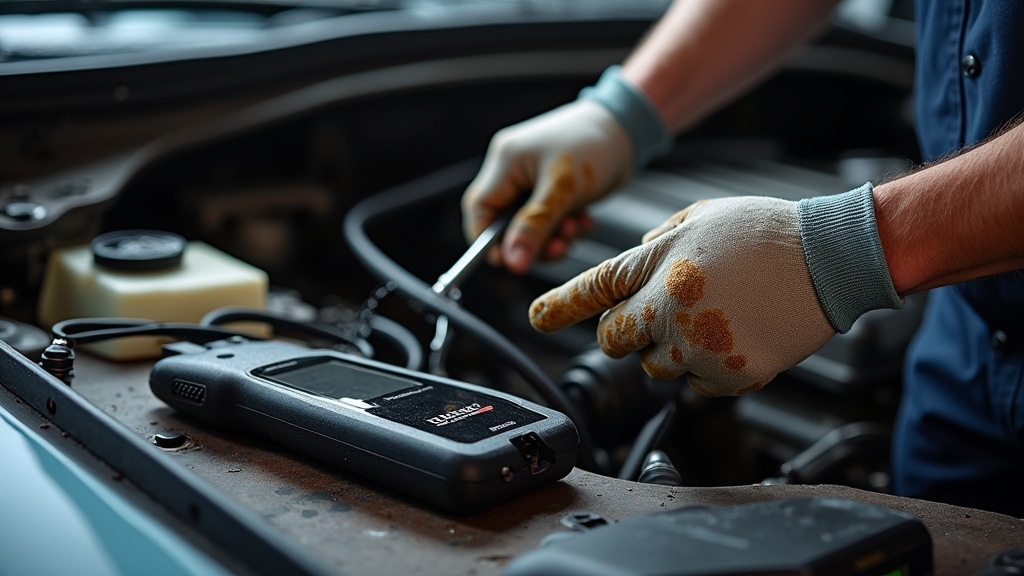
Although transmission fluid maintenance is essential, diagnosing and repairing delayed shifting requires specialized tools and techniques that go beyond basic servicing. You’ll rely on OBD-II scanners and advanced diagnostic equipment to read TCM data, perform bidirectional solenoid tests, and monitor sensor inputs.
Understanding the variations in control strategies across different transmission models is crucial for accurate data interpretation and diagnosis.
Precise data analysis, including clutch tests and current ramp measurements, helps isolate faults. Preventive diagnostics involve regular scan tool checks and updating software to predict issues early.
| Tool/Procedure | Function | Benefit |
|---|---|---|
| OBD-II Scanner | Reads codes & live data | Identifies faults quickly |
| Bidirectional Control | Activates solenoids/clutches | Verifies component function |
| Clutch Test | Monitors turbine RPM slip | Detects clutch wear |
| Current Ramp Test | Checks solenoid electrical health | Finds electrical faults |
| CAN Bus Signal Check | Ensures module communication | Prevents miscommunication errors |
Professional Transmission Services
Effective diagnosis of shifting delays sets the stage for targeted professional transmission services aimed at prevention and repair.
You must maintain proper transmission fluid levels using manufacturer-recommended fluids to guarantee hydraulic pressure and lubrication, preventing hesitation.
Regular fluid and filter inspections identify contamination or clogging that impair gear engagement.
Timely replacement of worn clutches, bands, seals, and valves prevents erratic shifts and further damage.
Address shift solenoid failures by inspecting electrical connections and replacing faulty components to restore fluid flow control, as a failed solenoid can disrupt fluid movement and cause delays.
Monitor torque converter performance for signs of slipping or overheating, repairing or replacing it as needed to avoid transmission damage.
Lastly, keep the Transmission Control Module and sensors calibrated to sustain accurate shift timing, adhering strictly to manufacturer service intervals for ideal transmission health.
Frequently Asked Questions
Can Using Synthetic Transmission Fluid Reduce Delayed Shifting?
Yes, using synthetic transmission fluid can reduce delayed shifting. You’ll benefit from its stable viscosity, which guarantees consistent hydraulic pressure for solenoid and clutch engagement.
Its advanced additives lower internal friction, allowing components to respond faster. Plus, synthetic fluid resists thermal breakdown and contamination, maintaining ideal lubrication and pressure delivery over time.
This combination improves gear shift speed, minimizes hesitation, and supports smoother overall shift response under various operating conditions.
How Does Towing Heavy Loads Affect Transmission Shifting Delay?
When you tow heavy loads, your transmission faces increased hydraulic pressure demands, causing noticeable shifting delays.
Imagine your gears hesitating under strain. This happens because overheating reduces fluid efficiency, leading to sluggish gear engagement.
The extra torque causes internal stress, making shifts erratic or rough. Towing elevates fluid temperature and pressure, directly impairing shifting responsiveness and causing the delay you experience during gear changes under load.
Are Delayed Shifts Covered Under Typical Vehicle Warranties?
Yes, delayed shifts often qualify under typical factory powertrain warranties if caused by manufacturing defects, like faulty torque converters or solenoids.
However, you should check your warranty terms closely, as coverage excludes wear, abuse, or neglect.
Extended warranties may explicitly cover transmission components responsible for shifting delays, but deductibles and liability limits apply.
Always review your specific contract to understand if your delayed shifting repair costs will be reimbursed.
Can Transmission Delayed Shifting Cause Increased Fuel Consumption?
Think of your transmission as an orchestra; if the conductor delays cues, the performance falters.
Yes, delayed shifting directly causes increased fuel consumption. When your transmission fails to shift gears promptly, your engine runs at higher RPMs, forcing it to burn more fuel to maintain power.
This inefficiency reduces fuel economy by up to 20%, especially during stop-and-go driving. This leads to more frequent refueling and increased operational costs.
Is It Safe to Drive With Transmission Delayed Shifting Symptoms?
No, it’s not safe to drive with delayed shifting symptoms. You risk sudden power loss, gear slipping, and unpredictable vehicle response, especially at high speeds or in traffic.
Continuing to drive accelerates internal transmission damage, increasing repair costs and accident risk. You should stop driving immediately and have a qualified technician inspect and repair your transmission to guarantee safety and prevent further mechanical deterioration.
Don’t Let Delayed Shifting Damage Your Transmission
If you ignore delayed shifting, your transmission could suffer severe damage, costing you thousands in repairs.
For example, a driver who noticed sluggish gear changes after cold mornings delayed maintenance, resulting in a failed transmission sensor and costly rebuild.
By recognizing symptoms early and addressing mechanical or electronic issues promptly, you can maintain ideal performance and avoid extensive damage.
Regular fluid checks and timely repairs are essential to prevent transmission failure and guarantee smooth shifting.