You can use rubbing alcohol on your car paint, but only when it’s properly diluted. Typically, a mixture of 10% to 20% isopropyl alcohol with distilled water is recommended to avoid damaging the clear coat or stripping wax protection.
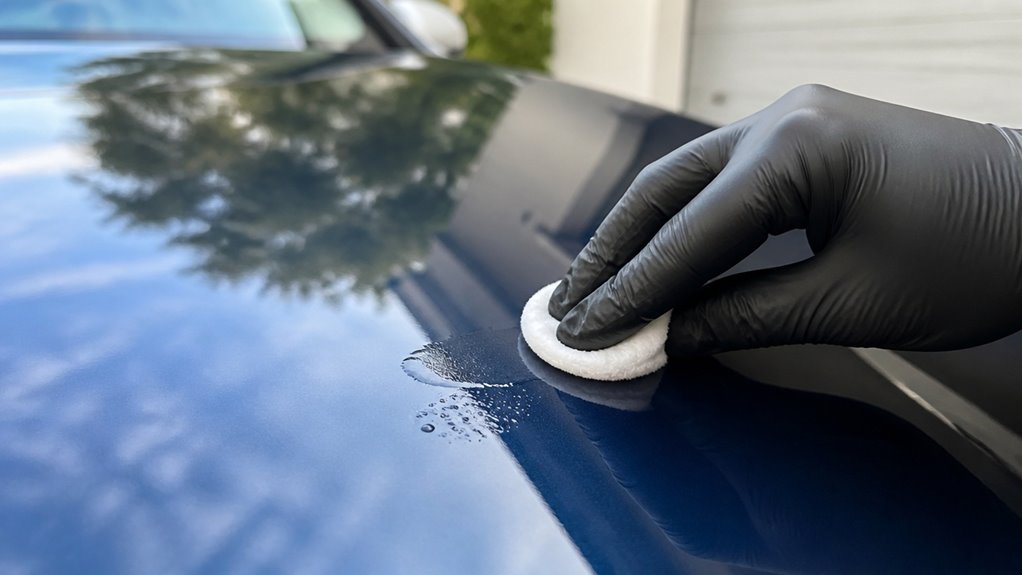
Apply it gently with a microfiber cloth, never directly on the paint, and always spot test first. Undiluted alcohol can cause dullness, etching, or scratches.
Learning how to apply it safely and protect your paint afterward will help keep your finish flawless.
Key Takeaways
- Diluted rubbing alcohol (10%-20%) can safely remove adhesives and sap from car paint without significant damage.
- Undiluted or high-concentration alcohol can strip wax, damage the clear coat, and accelerate paint aging.
- Always spray diluted alcohol on a microfiber cloth, not directly on paint, and use gentle, even pressure during application.
- Avoid using rubbing alcohol on fresh, delicate, or ceramic-coated paint to prevent discoloration and chemical damage.
- After cleaning, promptly rinse and reapply wax or sealant to restore the protective layer on the paint.
How Does Rubbing Alcohol Affect Car Paint?

Although rubbing alcohol can effectively remove contaminants like grease and adhesive from your car’s paint, its impact largely depends on concentration and application method.
Rubbing alcohol removes grease and adhesive, but its effects vary with concentration and how it’s applied.
When properly diluted, typically between 10% to 20% alcohol mixed with water, rubbing alcohol safely lifts oils, sap, and residues without harming the clear coat.
You should apply it gently with a microfiber cloth, avoiding direct spraying on paint and excessive pressure to prevent micro-scratches.
Using undiluted or high-concentration alcohol risks stripping wax layers and damaging the clear coat, especially on fresh or recently refinished paint.
Prompt wiping or rinsing after application minimizes residue buildup and surface stress.
When Should You Avoid Using Rubbing Alcohol on Your Car Paint?
You should avoid using rubbing alcohol on your car paint when it’s fresh or recently refinished. The solvents can react adversely with uncured surfaces and damage the clear coat.
Additionally, refrain from applying undiluted or high-concentration rubbing alcohol. It can strip protective wax layers and degrade the clear coat over time.
Avoid using it under direct sunlight or on hot surfaces. Rapid evaporation may cause streaking and uneven cleaning.
Also, don’t apply rubbing alcohol aggressively. Excessive rubbing can cause micro-scratches even if the chemical itself is safe.
If your paint finish is uncertain, damaged, or contains sensitive coatings like ceramic layers, steer clear of rubbing alcohol. In these cases, opt for paint-safe cleaners to prevent irreversible damage.
For safer wax removal, it is recommended to use pH-balanced soaps and gentle chemical cleansers designed specifically for automotive finishes.
How to Safely Dilute Rubbing Alcohol for Car Paint?
To protect your car’s paint while using rubbing alcohol, proper dilution is necessary. Undiluted or high concentrations can damage the clear coat, so you need to mix the alcohol with water carefully. Aim for a concentration between 10% and 20% alcohol for safe application.
Properly dilute rubbing alcohol to 10%–20% to avoid damaging your car’s paint and clear coat.
Follow these steps to dilute rubbing alcohol safely:
- Use distilled water to minimize residue and impurities.
- Mix 1 part isopropyl rubbing alcohol with 3 to 4 parts water, adjusting for a 10%–20% concentration.
- Stir the solution thoroughly before use to guarantee even dilution.
Using heat-resistant components in the solution container can help maintain the stability of the mixture during application.
Best Ways to Apply Rubbing Alcohol Without Damaging Paint
When applying rubbing alcohol to car paint, using a microfiber cloth or a soft sponge is essential to minimize the risk of micro-scratches.
Always dilute the rubbing alcohol to a safe concentration, typically 10% to 20%, to protect the clear coat.
Spray the diluted solution onto the cloth, never directly on the paint, to control the amount applied and prevent overexposure.
Apply with gentle, even pressure, working in small sections to avoid uneven drying or streaking.
Perform a spot test on an inconspicuous area before broader application.
After treatment, promptly wipe or rinse off the surface to remove residue and prevent damage.
Finally, consider reapplying wax or sealant to restore any protective layers that may have been diminished during cleaning.
Common Paint Surface Problems Rubbing Alcohol Can Fix
You know those pesky adhesive residues left behind by stickers or badges? Well, properly diluted rubbing alcohol can work wonders! It effectively removes that sticky mess without harming your paint.
And if you’ve ever battled stubborn tree sap, rubbing alcohol can help with that, too. It softens the sap, making it much easier to lift off gently. Just grab a microfiber cloth, apply the alcohol, and don’t forget to do a spot test first. This way, you’ll ensure a safe and controlled cleaning process. Happy cleaning!
For stubborn odors trapped in fabrics or surfaces, combining cleaning methods with deep-cleaning and odor absorption can enhance the overall effectiveness.
Removing Adhesive Residue
Adhesive residue often sticks stubbornly to your car’s paint after removing decals, badges, or tape, leaving behind an unsightly film. You can safely use diluted rubbing alcohol (10-20% concentration) to break down and remove this residue without harming the clear coat, provided you follow proper precautions.
Here’s how to do it precisely:
- Dilute isopropyl alcohol with distilled water (about 1:3 ratio) to avoid damaging the paint’s protective layers.
- Apply the solution to a microfiber cloth, not directly on the paint, and gently rub the adhesive area to dissolve the residue.
- Wipe the area clean with a damp cloth and dry it, then reapply wax or sealant to restore protection.
Always test a small spot first to guarantee compatibility with your paint. For stubborn residues, consider combining this method with gentle heat to further soften the adhesive safely.
Softening Tree Sap
Beyond removing adhesive residue, diluted rubbing alcohol also effectively softens tree sap that has hardened on car paint.
To use it safely, mix about 10% to 20% rubbing alcohol with distilled water. Avoid undiluted solutions that can damage the clear coat.
Apply the solution with a microfiber cloth, gently dabbing the sap to break down its sticky composition. Avoid aggressive rubbing that risks micro-scratches.
Work in small sections and perform a spot test first on inconspicuous areas to check for adverse effects.
After softening the sap, wipe it away carefully and rinse the area to remove any residue.
Finally, reapply wax or sealant to restore the protective layer, as alcohol can strip surface protection during cleaning.
For precise monitoring of engine performance during maintenance, using a tachometer with fast sampling times under one second can help ensure accurate RPM readings.
How to Protect Your Car Paint After Using Rubbing Alcohol
After you’ve used rubbing alcohol on your car’s paint, it’s super important to reapply some wax, sealant, or even a ceramic coating. This helps restore that protective layer you’re used to.
Now, when you’re handling the surface after cleaning, be gentle! You want to avoid any micro-scratches that could mess things up. Plus, being careful will help the coating bond properly.
This little bit of extra care will keep your paint looking shiny and durable for much longer. Using products with UV resistance can further protect your paint from damage caused by sunlight.
Reapply Protective Coatings
When you use rubbing alcohol on your car’s paint, you’ll want to reapply protective coatings promptly to restore the barrier stripped away by the solvent.
This step is critical to prevent environmental contaminants from damaging the clear coat and paint layers. After cleaning, the paint surface is vulnerable, so applying a wax, sealant, or ceramic coating is essential.
Follow these steps to reapply protection effectively:
- Clean the surface thoroughly with a gentle, paint-safe cleaner to remove any residue left by the alcohol.
- Apply your chosen protective product evenly using a microfiber applicator, ensuring full coverage.
- Allow proper curing time, as specified by the product instructions, to maximize durability and protection.
Prompt reapplication maintains paint integrity and extends the lifespan of your car’s finish. Using protective coatings with UV-blocking properties can also help prevent fading and discoloration caused by sun exposure.
Gentle Post-Cleaning Care
You should always follow up rubbing alcohol use with gentle post-cleaning care to safeguard your car’s paint.
After applying diluted alcohol, promptly rinse or wipe the area with a damp microfiber cloth to remove any residue.
Avoid aggressive scrubbing to prevent micro-scratches.
Once dry, inspect the surface for any dullness or streaks caused by fast evaporation or residue buildup.
To restore protection, reapply a wax, sealant, or ceramic coating as needed.
This replenishes the clear coat’s barrier, which rubbing alcohol can partially strip.
Regularly maintaining your paint’s protective layer reduces vulnerability to environmental damage.
Additionally, using high-quality microfiber towels during the drying process helps prevent scratches and water spots after cleaning.
Why Full-Strength Rubbing Alcohol Is Risky for Car Paint?
Although rubbing alcohol can effectively remove contaminants from car paint, using it at full strength poses significant risks to the surface.
When undiluted, the solvent aggressively strips protective wax and sealant layers, exposing the paint beneath. This can lead to accelerated wear and diminished gloss over time.
Additionally, full-strength alcohol can soften and degrade the clear coat, the critical transparent layer protecting your paint from UV damage and oxidation.
Fresh or recently refinished paint is especially vulnerable to chemical damage from strong alcohol, potentially causing discoloration or etching.
Here are three main risks of using full-strength rubbing alcohol on car paint:
- Stripping wax and sealants, reducing protection
- Softening or damaging the clear coat layer
- Causing chemical damage to fresh or delicate paint finishes
Using harsh chemicals like rubbing alcohol can also accelerate paint aging and increase vulnerability to scratches and swirl marks due to clear coat softening and degradation from chemical exposure, as noted in studies on chemical effects on clear coat.
How to Spot Test Rubbing Alcohol on Your Vehicle?
Start by selecting an inconspicuous area on your vehicle’s paintwork to perform a spot test with diluted rubbing alcohol.
Mix a safe concentration, typically 10% to 20% isopropyl alcohol with distilled water, to minimize risk.
Apply the solution onto a microfiber cloth instead of spraying directly on the paint to control exposure.
Gently wipe the test area with light pressure, avoiding aggressive rubbing that could cause micro-scratches.
Wait 10 to 15 minutes, observing any changes such as dulling, discoloration, or residue formation.
If the paint and clear coat remain intact with no visible damage or streaks, it’s safe to proceed with broader application.
Always rinse or wipe off promptly after testing to prevent prolonged contact.
This spot test helps make certain diluted rubbing alcohol won’t compromise your vehicle’s finish.
For the best results and to avoid long-term damage, always consider professional advice when dealing with potentially harmful substances like alcohol on your car’s surface, similar to how professional repairs ensure tire safety and durability.
Alternatives to Rubbing Alcohol for Sensitive Paint Finishes
After confirming the safety of diluted rubbing alcohol through spot testing, some paint finishes, especially fresh or sensitive ones, still require gentler cleaning options to prevent damage.
In these cases, you should consider alternatives that minimize risk to the clear coat and paint integrity. Here are three effective options:
- pH-balanced car wash soap: Designed to clean without stripping wax or damaging clear coats. It’s ideal for regular maintenance.
- Clay bar treatment: Removes contaminants like sap and adhesive gently. It restores smoothness without harsh chemicals.
- Isopropyl alcohol-free adhesive removers: Formulated specifically for automotive finishes, these products dissolve residues with minimal risk.
Choosing these alternatives helps preserve delicate paint finishes while effectively cleaning. This ensures long-term protection and appearance.
Always test any product on a small, inconspicuous area before full application.
Frequently Asked Questions
Can Rubbing Alcohol Remove Bird Droppings From Car Paint?
Yes, you can use diluted rubbing alcohol to help remove bird droppings from car paint.
It effectively breaks down the acidic residue and softens the droppings for easier removal.
Make sure to dilute the alcohol to about 10-20% with water.
Apply it gently using a microfiber cloth, and avoid scrubbing harshly.
Always test on a small area first and rinse promptly to protect your clear coat and avoid damage.
Is Rubbing Alcohol Safe for Cleaning Car Headlights?
Yes, you can use rubbing alcohol to clean car headlights safely if you dilute it properly, usually around 10-20% alcohol with water.
This helps remove grime, grease, and adhesive residues without damaging the plastic lens.
Apply it gently with a microfiber cloth, avoiding aggressive scrubbing to prevent scratches.
Always test a small area first and rinse or wipe off promptly to avoid streaks or residue buildup for clearer, brighter headlights.
How Long Should Rubbing Alcohol Stay on the Paint Before Wiping?
You shouldn’t let rubbing alcohol sit on your paint for more than 10 to 15 seconds.
Although some think leaving it longer deep-cleans better, it actually risks damaging the clear coat.
Apply the diluted solutiondwith a microfiber cloth, work gently, then wipe it off promptly.
Quick action limits exposure, reducing the chance of streaking or micro-scratches.
Always rinse or wipe thoroughly to remove residues and protect your finish.
Can Rubbing Alcohol Damage Plastic Trim on Cars?
Yes, rubbing alcohol can damage plastic trim on cars if used improperly. It may cause discoloration, drying, or brittleness, especially at high concentrations or with prolonged exposure.
You should dilute rubbing alcohol and test it on a small, inconspicuous area first. Use gentle application methods and avoid repeated or heavy scrubbing.
For delicate plastic trims, consider specialized plastic-safe cleaners to prevent damage and maintain appearance.
Does Rubbing Alcohol Affect Tinted Windows?
Rubbing alcohol can affect tinted windows depending on the tint type and adhesive quality.
If you use it undiluted or apply it aggressively, it may cause discoloration, cloudiness, or damage the adhesive backing, leading to peeling.
To protect your tint, dilute the alcohol with water (around 10-20%), apply it gently with a microfiber cloth, and always test a small area first.
Avoid prolonged exposure and strong scrubbing.
Why Proper Use of Rubbing Alcohol Matters More Than You Think?
You should know that using rubbing alcohol improperly can damage your car’s paint. When diluted correctly, it effectively removes contaminants like sap or grease.
Curiously, studies show that 70% isopropyl alcohol solutions are ideal for cleaning without harming clear coats. Always spot test first and avoid full-strength use to prevent paint degradation.
By following precautions and aftercare, you can maintain your car’s finish while leveraging rubbing alcohol’s cleaning power safely.


