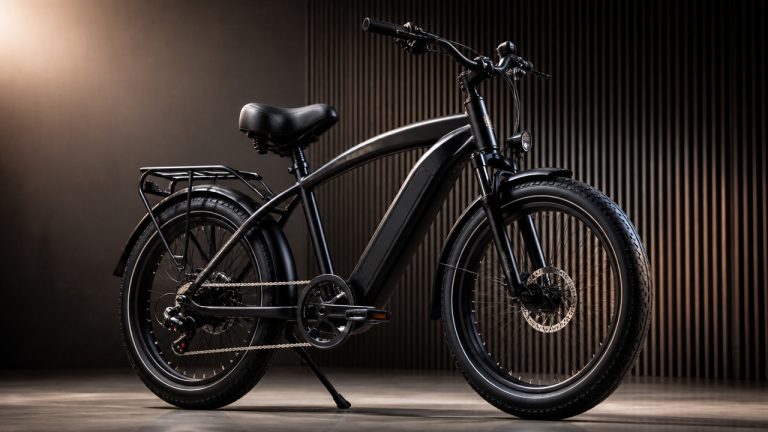

Cruiser bikes suit you well if your commute is short, flat, and mostly urban. You’ll benefit from their upright posture and wide tires, which provide comfort on paved, leisurely routes.
However, their heavier frames and limited gearing make hills and stop-and-go traffic more challenging. They offer moderate cargo capacity, but braking in wet conditions may be less effective without disc brakes.
If you want to understand when and why cruiser bikes perform best for commuting, keep exploring these aspects.
Key Takeaways
- Cruiser bikes are best suited for short, flat, urban commutes under five miles on paved, low-traffic routes.
- Their upright position and cushioned saddles provide comfort but reduce aerodynamic efficiency and speed.
- Heavier frames and limited gearing make climbing hills and rapid acceleration challenging.
- Standard fenders and wide tires offer stability and wet-weather protection but increase rolling resistance.
- Cargo capacity is moderate and varies; cruiser bikes generally lack the utility features of dedicated commuter bikes.
Is a Cruiser Bike Right for Your Commute?
If your daily route is mostly flat and under five miles, a cruiser bike could be a practical choice for commuting. Cruiser bikes excel on short, flat, urban routes where speed isn’t essential.
Cruiser bikes are ideal for short, flat commutes where comfort matters more than speed.
Their relaxed geometry and wide tires provide stable handling and comfort, making them well-suited for casual rides and errands. However, if your commute involves hills, mixed surfaces, or requires higher speeds, a cruiser may limit your efficiency and increase fatigue.
Single-speed cruisers particularly struggle with elevation changes and stop-and-go traffic. Also, consider whether your chosen cruiser model offers necessary cargo options like racks or fenders, as not all do.
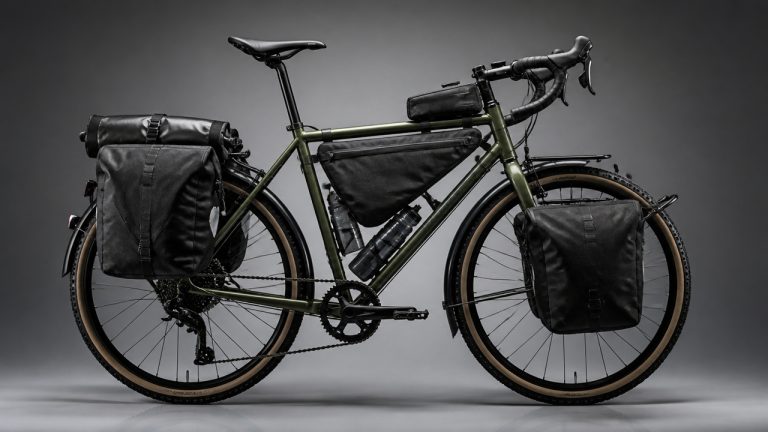
For predictable, low-demand commutes, cruisers offer a reliable, comfortable option. But for more complex routes, a dedicated commuter bike might better meet your needs. Steel gravel bikes, with their wide gear ranges and durable frames, provide greater versatility for varied terrain and longer rides.
Are Cruiser Bikes Comfortable for Your Daily Ride?
Choosing a cruiser bike for a mostly flat, short commute sets the stage for a comfortable ride experience.
You benefit from an upright riding position and cushioned saddle that reduce strain on your back, neck, and wrists.
The wide tires and relaxed frame geometry help smooth out city streets, making daily rides less tiring.
However, comfort is optimized on flat terrain and shorter distances.
It’s important to note that cruiser bikes typically lack disc brakes, which can affect stopping power and safety in wet urban conditions.
| Feature | Benefit | Consideration |
|---|---|---|
| Upright posture | Less back and neck strain | Not aerodynamic |
| Cushioned saddle | Improved seat comfort | May feel bulky |
| Wide tires | Smoother ride on pavement | Increased rolling resistance |
| Relaxed geometry | Reduced wrist pressure | Slower acceleration |
| Single-speed | Simplicity and reliability | Limited hill climbing |
This setup suits casual, low-speed commuting best.
Which Commute Routes Work Best for Cruiser Bikes?
Cruiser bikes typically excel on short to medium commutes across flat, predictable urban terrain. If your route is under five miles and mostly level, a single-speed cruiser offers efficient, comfortable travel.
These bikes perform best on paved streets with minimal elevation changes, where their wide tires and relaxed geometry provide stability and smooth handling. Neighborhood streets, leisure urban routes, and straightforward rides to work suit cruisers well, especially when speed isn’t critical.
Avoid routes with frequent stops or heavy traffic, as cruisers’ heavier frames and limited gearing can reduce efficiency in such conditions. For more varied urban routes with minor hills, a multi-speed cruiser can expand your options. Step-through designs also enable effortless mounting and dismounting, which can be a great convenience for urban commuting.
Why Are Cruiser Bikes Slower and Harder on Hills?
You’ll notice slower speeds and increased effort on hills with cruiser bikes due to their heavy frames, wide tires, and relaxed geometry. These design elements prioritize comfort over speed, making climbs more demanding.
Here’s why hills challenge cruiser bikes:
- Heavy Frames: The substantial weight requires more power to ascend. This increases rider fatigue.
- Wide Tires: While stable, they create higher rolling resistance. This reduces pedaling efficiency uphill.
- Limited Gearing: Many cruisers have single-speed or few gears. This restricts your ability to maintain cadence on steep gradients.
Together, these factors make cruiser bikes less efficient on inclines compared to commuter bikes designed for varied terrain. If your route includes hills, expect to expend more energy and ride at a slower pace when using a cruiser bike. Additionally, the lack of tread pattern optimization on cruiser bike tires further limits traction and efficiency on varied surfaces like hills.
Can Cruiser Bikes Carry Your Commute Cargo?
After considering how cruiser bikes handle hills, it’s important to evaluate their capacity for carrying your commute cargo. Cruiser bikes vary in practicality for cargo: some include rear racks and saddlebags, while others lack mounting points.
Fenders often come standard, aiding wet-road commutes, but overall cargo capacity depends heavily on the model. Unlike dedicated commuter bikes, cruisers usually offer fewer built-in options for heavy or bulky loads, which may limit their utility for carrying work gear or groceries. Additionally, the upright riding position of many cruisers enhances comfort during longer commutes but may impact aerodynamics.
| Feature | Cruiser Bikes |
|---|---|
| Rear Rack Mounts | Available on select models |
| Cargo Capacity | Moderate; depends on attachments |
| Fenders | Common, good for wet conditions |
| Utility Focus | Less than dedicated commuter bikes |
You should assess specific cruiser models for your cargo needs.
Frequently Asked Questions
How Do Cruiser Bikes Compare in Maintenance to Other Commuter Bikes?
Cruiser bikes generally require less maintenance than multi-speed commuter bikes because they often have simpler drivetrains, like single-speed or internal hub gears. This reduces chain wear and derailleur adjustments.
Their wide tires and sturdy frames tolerate rough pavement well but may need more frequent air checks due to larger volumes. However, cruisers sometimes lack advanced components, so you might spend less time tuning.
Still, you should inspect basic parts regularly for peak performance.
Can Cruiser Bikes Be Easily Customized for Better Performance?
Yes, you can customize cruiser bikes for better performance, but options are somewhat limited.
Upgrading to multi-speed drivetrains improves hill climbing and efficiency. Swapping wide tires for narrower, lower-resistance ones enhances speed.
You can also replace heavy saddles and handlebars with lighter, ergonomic parts. However, cruisers have relaxed geometry and heavier frames.
Significant performance gains won’t match those of dedicated commuter bikes designed for speed and agility.
Are Cruiser Bikes Suitable for Riding in Rainy or Wet Conditions?
Yes, cruiser bikes can handle rainy or wet conditions, especially if equipped with fenders, which many models include to shield you from water spray.
Their wide tires offer stable traction on wet pavement, improving safety. However, not all cruisers have built-in mounts for racks or mudguards, so you might need to customize for peak protection.
What Safety Features Do Cruiser Bikes Typically Include?
Cruiser bikes come equipped with some thoughtful safety touches to ease your ride. They typically include coaster brakes for smooth, intuitive stopping and wide tires that offer stable handling on city streets.
Many models feature fenders to keep you dry and visible reflectors to boost your presence in low light. While they may lack advanced lighting systems or disc brakes, these elements provide a solid foundation for safe, casual urban cycling.
How Long Do Cruiser Bikes Generally Last With Regular Commuting Use?
You can expect a cruiser bike to last around 5 to 10 years with regular commuting, depending on maintenance and usage.
Their heavy steel frames and simpler mechanics often mean durability. However, components like tires, chains, and brakes will wear faster with daily use.
If you keep up with routine care, such as cleaning, lubricating, and replacing worn parts, you’ll extend the lifespan and maintain reliable performance for your daily rides.
Ready To Decide On A Cruiser? Match Comfort To Commute Needs
Choosing a cruiser bike for your commute depends on your route and needs.
They offer comfort with their upright design but can struggle on hills and longer distances due to their weight and gear setup.
If your commute is flat and relaxed, a cruiser might suit you well.
But if speed and efficiency matter, you might want to explore other options.
After all, do you want a bike that’s easygoing or one that’s performance-driven?