
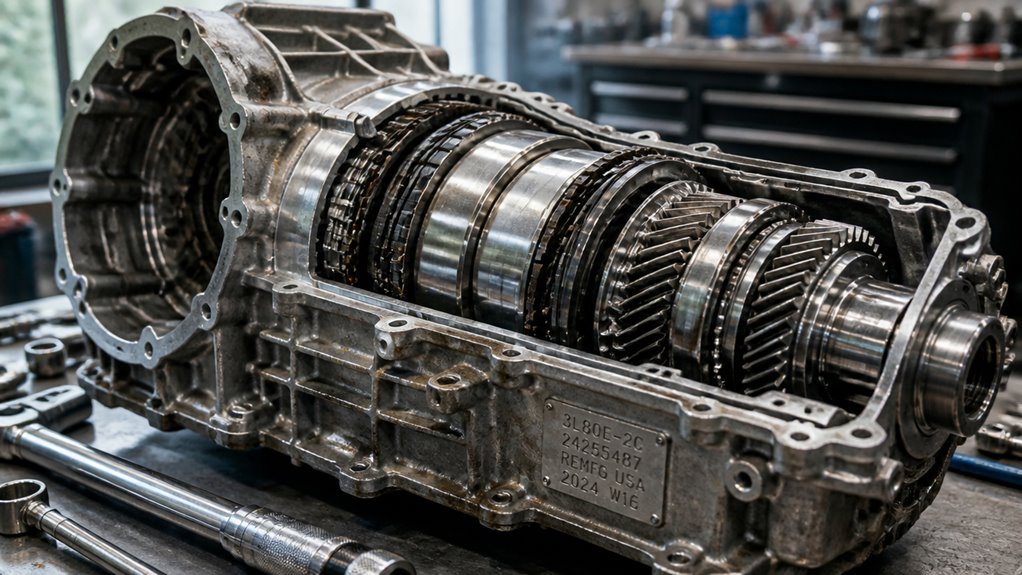
A reman transmission is a fully rebuilt transmission, crafted from your vehicle’s original core that’s entirely disassembled, inspected, and restored to meet factory standards.
It replaces all wearable parts, ensuring OEM-level performance, durability, and reliability. These units come preassembled and tested, reducing installation time and offering extended warranties for peace of mind.
They provide a cost-effective alternative to new units while outperforming typical rebuilds. You’ll find detailed insights on the process, costs, and benefits ahead.
Key Takeaways
- A reman transmission is a fully rebuilt transmission using an original core restored to factory/OEM specifications.
- It replaces all wearable parts and undergoes thorough inspection, cleaning, and testing before assembly.
- Reman transmissions provide factory-level consistency, durability, and reliability comparable to new units.
- They arrive fully assembled and tested, reducing labor time and vehicle downtime during installation.
- Reman units often include extended warranties and are a cost-effective alternative to new transmissions.
What Is a Reman Transmission?
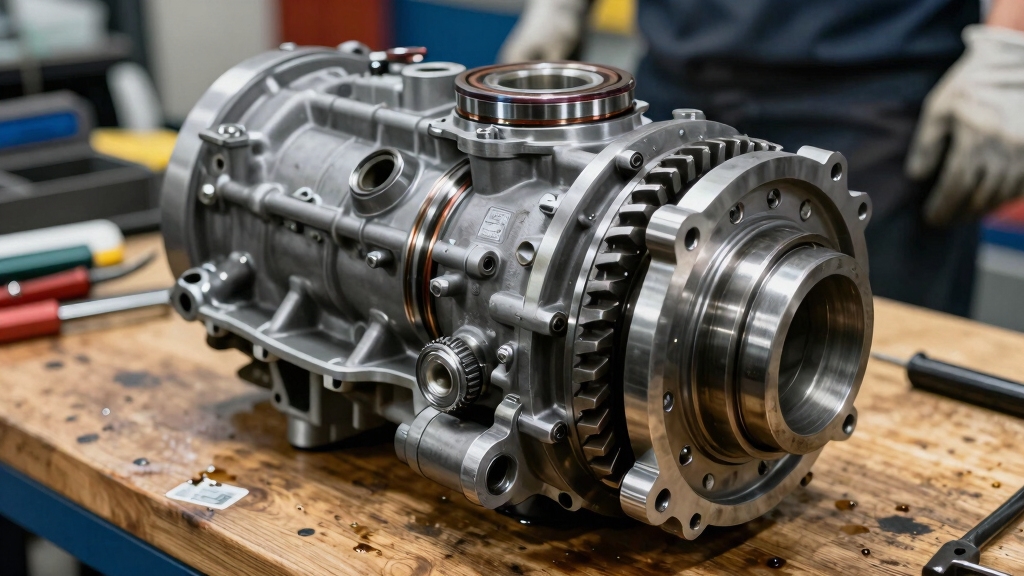
When you come across the term “reman transmission,” it refers to a remanufactured transmission built from an original core that’s been completely disassembled, inspected, and restored to meet factory or OEM specifications.
A reman transmission is a rebuilt original core, fully restored to meet factory or OEM standards.
This process involves taking the original transmission apart to its components, thoroughly cleaning and measuring each part for wear or damage.
Worn or outdated components like seals, gaskets, clutches, and bands are replaced to guarantee the unit matches original mechanical tolerances.
Unlike simple repairs, reman transmissions are reassembled as complete, factory-standard units, ready for installation.
You’ll find reman units marketed as the closest alternative to a new transmission without the cost of a brand-new unit, offering a precise, reliable solution for transmission replacement.
Due to the complexity of modern transmissions, especially models like the Aisin AS69RC, thorough electrical and hydraulic diagnostics are essential to ensure remanufactured units perform reliably.
How Reman Transmissions Differ From Rebuilt Units?
Understanding the difference between remanufactured and rebuilt transmissions helps you make an informed choice for your vehicle’s needs.
Reman transmissions undergo a more thorough process, restoring the unit to OEM standards. Rebuilt transmissions focus on fixing worn or damaged parts. Here’s how they differ:
- Component Replacement: Reman units replace all wearable parts. Rebuilt units replace only damaged ones.
- Standards: Reman transmissions meet factory mechanical tolerances. Rebuilds may not.
- Part Usage: Reman units reuse fewer original parts than rebuilt ones.
- Quality Assurance: Remanufactured units undergo extensive testing. Rebuilt transmissions often lack this rigor.
Choosing reman guarantees a transmission restored to original performance. Rebuilding offers a partial, less consistent restoration. Additionally, the overall transmission rebuild time can vary significantly depending on the process complexity and parts availability.
The Remanufacturing Process Step-by-Step
Since remanufacturing involves restoring a transmission to OEM standards, the process starts by completely disassembling the core unit into individual components.
Remanufacturing begins by fully disassembling the transmission into individual parts for thorough restoration.
You then clean each part thoroughly using high-pressure washing to remove all contaminants.
Next, you inspect and measure components for wear, cracks, or deformation, ensuring they meet strict tolerances.
Hard parts like gears and shafts undergo machining or replacement if necessary.
Soft parts such as seals and gaskets are systematically replaced.
After all components pass inspection or are replaced, you reassemble the transmission precisely to OEM specifications.
Finally, you conduct rigorous bench testing, including dyno runs, to verify performance and durability before the unit is approved for shipment or installation, guaranteeing consistent, factory-level quality.
In this process, selecting bearings with appropriate load capacity and toughness is crucial to ensure long-term durability under operational stresses.
Parts Replaced in Reman Transmissions
Remanufacturers replace a thorough range of parts in transmissions to guarantee they meet strict OEM standards.
When you get a reman transmission, you’re fundamentally receiving a unit with nearly every wearable and critical component replaced or restored.
Key parts swapped out include:
- Clutches and Bands – These friction components wear out quickly and are replaced to make certain smooth gear shifts.
- Seals and Gaskets – New seals prevent fluid leaks and maintain proper hydraulic pressure.
- Bearings and Bushings – These reduce friction and wear on rotating parts, so replacing them is vital.
- Valve Bodies and Solenoids – Critical for hydraulic control, these parts are often updated or replaced for precise operation.
This all-inclusive parts replacement guarantees the reman transmission operates reliably and matches factory specifications. Regular maintenance and cleaning can help prevent issues related to carbon build-up that might affect transmission performance over time.
How Reman Transmissions Are Tested for Quality?
Manufacturers subject reman transmissions to rigorous testing processes to guarantee they meet stringent OEM performance and reliability standards.
Each transmission undergoes high-pressure parts washing to make sure contaminants are eliminated before assembly. After rebuilding, the unit is tested on a dynamometer, simulating real-world operating conditions such as varying speeds, torque loads, and temperature ranges.
This step verifies the transmission’s shifting quality, hydraulic pressure integrity, and overall mechanical function. Additionally, precision measurements confirm that all components maintain OEM tolerances.
You’ll also see electronic diagnostics used to detect faults in control systems. These thorough quality checks ensure the reman transmission not only functions as intended but also provides consistent performance over time, maintaining factory-level reliability and durability.
Regular monitoring of transmission fluid condition during testing helps identify potential issues related to lubrication and contamination before the transmission is approved for use.
Why Reman Transmissions Are More Reliable?
You know, one of the reasons reman transmissions are often seen as more reliable is because they don’t just swap out the damaged parts. Instead, they replace all the wearable components. This means you get consistent performance across the board.
Plus, each unit goes through some serious testing. We’re talking factory-level checks that include high-pressure cleaning and dyno runs. This helps ensure everything works well under real-world conditions.
And here’s the kicker: this thorough approach really brings back those mechanical tolerances to OEM standards. So, you end up reducing the risk of premature failure, which is something every driver can appreciate!
Additionally, just like using advanced cleaning technologies improves windshield washer fluid performance, the meticulous remanufacturing process enhances transmission reliability and longevity.
Comprehensive Part Replacement
Thorough part replacement sets reman transmissions apart by ensuring every wearable component is swapped out, not just the visibly damaged ones.
This all-encompassing approach restores the transmission to OEM standards, reducing the risk of future failure.
When you choose a reman transmission, you benefit from:
- Replacement of all seals, gaskets, clutches, and bands to prevent leaks and slippage.
- Inspection and substitution of hard parts such as gears and shafts for precise mechanical tolerances.
- Use of updated components addressing original design weaknesses.
- Elimination of reused wear-prone parts, enhancing overall durability.
Additionally, remanufacturing often includes rigorous testing to prevent issues like delayed shifting that can arise from worn or faulty components.
Factory-Level Testing
Beyond thorough part replacement, reman transmissions undergo rigorous factory-level testing to guarantee consistent performance and reliability.
Each unit is subjected to high-pressure parts washing and precision inspections before assembly, ensuring all components meet exact OEM specifications.
After reassembly, the transmission is tested on a dynamometer, simulating real-world operating conditions such as variable speeds, gear shifts, and load stresses.
This process verifies hydraulic pressures, torque converter performance, and electronic controls, ensuring the transmission functions flawlessly.
By replicating these conditions, manufacturers identify and correct potential issues before shipment.
This meticulous testing phase sets reman transmissions apart from rebuilt units, providing you with a product that delivers factory-level consistency, durability, and confidence in long-term reliability.
Comparing Costs: Reman vs. Rebuilt and New Transmissions
When you’re looking at reman, rebuilt, and new transmissions, you’ll see some pretty big differences in price. Generally, reman units sit right in the middle, costing more than rebuilt ones but less than new transmissions.
Now, let’s talk about installation time. Reman transmissions come ready to install, which can save you some valuable labor hours compared to having to rebuild something in the vehicle.
And here’s something else to think about: reman units often come with longer warranty coverage. That means you’ll have more protection compared to what you get with rebuilt options. So, when you weigh your choices, keep these factors in mind!
Additionally, choosing a reman transmission with proper fluid maintenance can help prevent overheating and extend the unit’s lifespan.
Price Differences Explained
Several factors influence the cost differences between remanufactured, rebuilt, and new transmissions, making it important to understand what each option entails. When evaluating prices, consider these key points:
- Component Replacement: Reman transmissions replace all wearable parts, raising costs compared to rebuilds, which replace only damaged components.
- Labor and Time: New units are pricier due to manufacturing complexity. Reman units save labor costs by arriving preassembled.
- Quality and Warranty: Reman units often come with longer warranties, reflecting higher quality standards that justify their mid-range price.
- Core Charges: Reman units may require a refundable core deposit. This affects upfront cost but reduces long-term expense.
Additionally, understanding drivetrain stress can help you appreciate how remanufactured components might offer enhanced durability compared to rebuilt or new units.
Understanding these factors helps you make an informed decision based on price, quality, and reliability needs.
Installation Time Impact
Although the upfront cost of a transmission is important, the installation time substantially influences the total expense and convenience.
When you opt for a reman transmission, you’re installing a fully restored unit that arrives ready to go. This drastically reduces labor time.
Unlike rebuilding a transmission in-vehicle, which typically requires 3 to 5 days due to teardown, parts sourcing, and reassembly, reman units cut this to just the removal and replacement steps.
New transmissions also simplify installation but often come at a higher price.
By choosing a reman transmission, you minimize vehicle downtime and labor costs. This makes it a cost-effective solution that balances price and installation efficiency without sacrificing reliability.
This efficiency translates to quicker turnaround and less disruption for you.
It is also important to ensure the use of proper transmission fluid during installation to prevent premature failures and maintain reliability.
Warranty Coverage Comparison
Reducing installation time with a reman transmission helps limit your exposure to unexpected repair costs. However, it’s important to understand how warranty coverage compares across transmission options.
Remanufactured units typically offer longer and more all-encompassing warranties than rebuilt transmissions. This can translate into significant savings and peace of mind.
Here’s how warranties stack up:
- Reman transmissions usually come with 2–3 year warranties, covering parts and labor.
- Rebuilt transmissions often have shorter warranties, sometimes only a few months, with limited coverage.
- New transmissions generally carry long warranties similar to reman units but cost substantially more upfront.
- Reman units may include updated components and corrected design issues, reducing the likelihood of early failures covered under warranty.
Choosing a reman transmission balances cost efficiency with robust warranty protection.
Warranty Coverage for Reman Transmissions
When you choose a reman transmission, you benefit from warranty coverage that typically surpasses what rebuilt units offer.
Reman units commonly come with warranties lasting two to three years, reflecting the confidence manufacturers have in their thorough restoration process and updated components.
Reman units often include two to three-year warranties, showcasing manufacturers’ confidence in quality restoration and updated parts.
This extended warranty period often exceeds the few months typical of rebuilt transmissions, giving you greater protection against unexpected failures.
Additionally, reman warranties usually cover both parts and labor, reducing your potential out-of-pocket expenses during the coverage term.
Because reman transmissions are restored to factory specifications and rigorously tested, manufacturers provide more robust guarantees, ensuring reliability.
This warranty advantage not only safeguards your investment but also provides peace of mind, confirming that you’re installing a transmission designed to meet or exceed OEM standards.
How Reman Transmissions Save Time Compared to Rebuilding?
Beyond offering extended warranty coverage, reman transmissions also save you considerable time compared to rebuilding a transmission in your vehicle.
Since reman units come fully restored and tested, you avoid the lengthy process of in-vehicle teardown and parts sourcing.
Here’s how reman transmissions speed up your repair:
- Preassembled and Tested: The reman transmission is ready for direct installation, cutting out rebuild assembly time.
- Parts Replacement Done: All wearable components are replaced beforehand, so no waiting for individual parts.
- Quality Control: Factory-level inspection and dyno testing guarantee reliability without iterative adjustments.
- Warehouse Availability: Units are stocked and shipped immediately, eliminating delays typical of custom rebuilds.
You’ll get your vehicle back on the road faster, with minimal downtime and no compromise on performance.
When to Choose a Reman Transmission for Your Vehicle?
Thinking about a reman transmission? It might be the right move if your vehicle is showing clear signs of transmission failure that make a full replacement necessary.
Now, why choose a reman unit over rebuilding? Well, reman transmissions strike a great balance between cost and quality. Plus, they often come with extended warranties, giving you that extra peace of mind.
Signs Transmission Needs Replacement
If your vehicle exhibits persistent slipping gears, delayed engagement, or unusual noises despite routine maintenance, these are clear indicators that the transmission may be failing and requires replacement. Ignoring these symptoms can lead to further damage and costly repairs.
To help you identify when replacement is necessary, watch for these signs:
- Fluid Contamination or Burning Smell – Dark, burnt-smelling transmission fluid indicates internal damage.
- Delayed or Harsh Shifting – Hesitation or rough gear changes signal worn clutch packs or solenoid issues.
- Transmission Warning Light – Illuminated dashboard alerts often mean critical faults.
- Complete Loss of Drive – The transmission fails to engage or move the vehicle, confirming severe failure.
Recognizing these signs early guarantees you choose the right solution, such as a reliable reman transmission.
Cost Benefits Compared Rebuild
Addressing transmission failure promptly means considering the most cost-effective and reliable repair option.
Choosing a reman transmission over a rebuild can save you both time and money. While rebuilds typically replace only worn or damaged parts, reman transmissions replace all wearable components, restoring the unit to OEM specifications.
This thorough restoration reduces the risk of future failures and often justifies the slightly higher upfront cost compared to a rebuild. Additionally, reman units come fully assembled and tested, cutting down your vehicle’s downtime by eliminating the teardown and reassembly process required in rebuilds.
Although rebuilds may initially appear cheaper, the potential for additional repairs and longer labor time often erodes those savings. For a balance of cost, reliability, and efficiency, reman transmissions provide a compelling choice.
Warranty And Reliability Advantages
When selecting a transmission for your vehicle, understanding warranty and reliability advantages can greatly influence your decision. Reman transmissions offer distinct benefits over rebuilt or used units, ensuring you get lasting performance and peace of mind. Here’s why you might choose a reman transmission:
1. Extended Warranty Coverage
Typically 2 to 3 years, substantially longer than rebuilt units’ shorter warranties.
2. OEM-Standard Restoration
Factory-level standards restore all components to original mechanical tolerances and specifications.
3. Preinstalled Updated Components
Includes corrected design issues and improved parts not present in the original transmission.
4. Reduced Installation Risks
Preassembled units minimize unexpected labor and parts replacement costs during installation.
These factors make reman transmissions a reliable, cost-effective choice when durability and warranty matter most.
Frequently Asked Questions
Can I Install a Reman Transmission Myself Without Professional Help?
You can install a reman transmission yourself if you have the proper tools, experience, and a detailed service manual.
It requires precise mechanical skills to remove the old unit, align the new one, and reconnect all components correctly.
Without professional knowledge, you risk damaging parts or causing leaks.
If you’re confident in your abilities, proceed carefully; otherwise, seeking professional help guarantees proper installation and preserves your warranty.
Are Reman Transmissions Compatible With Aftermarket Performance Upgrades?
You know what they say: “The devil’s in the details.”
Reman transmissions generally are compatible with aftermarket performance upgrades since they’re rebuilt to OEM specs with refreshed components.
However, you’ll need to verify the specific reman unit’s design and tolerances against your chosen upgrades.
Some high-performance parts might require custom modifications or stronger internals.
Always consult manufacturer guidelines to make certain the reman transmission can handle the increased stresses from your upgrades.
How Do Reman Transmissions Affect My Vehicle’s Fuel Efficiency?
Reman transmissions can improve your vehicle’s fuel efficiency by restoring ideal gear shifts and reducing internal friction, matching factory specifications.
Since all wearable parts are replaced and tolerances tightened, your engine operates more smoothly and efficiently.
However, fuel savings depend on your driving habits and vehicle condition.
While not guaranteed, a properly installed reman transmission typically helps maintain or slightly enhance fuel economy compared to a worn, failing unit.
What Vehicles Are Most Commonly Serviced With Reman Transmissions?
You’ll find reman transmissions frequently favored for frequently driven family vehicles, trucks, and SUVs.
Manufacturers mainly service models with high mileage or heavy-duty use, like Ford F-Series, Chevrolet Silverado, and Toyota Tacoma.
These transmissions tackle tough terrain and traffic, benefiting from remanufactured reliability.
You can also expect them in luxury cars and commercial fleets where durability and cost-efficiency are essential.
This ensures smoother shifts and sustained performance under strain.
Do Reman Transmissions Come With Updated Software or Electronic Controls?
Yes, reman transmissions often come with updated software or electronic controls. When manufacturers remanufacture a transmission, they frequently include the latest electronic control modules or reprogram the existing ones to guarantee compatibility and optimize performance.
This update helps fix previous software bugs, improve shift quality, and enhance overall drivability. So, when you install a reman transmission, you’re likely getting the most current control technology alongside the rebuilt mechanical components.
Save Time and Money Without Sacrificing Quality with Reman Transmissions
Choosing a reman transmission means saving significant time and spending smartly without sacrificing strength or reliability.
Unlike rebuilt units, reman transmissions undergo rigorous replacement and testing, ensuring top-tier performance and peace of mind.
When weighing warranties and costs, reman offers a reliable, ready-to-roll solution.
So, if you want dependable durability delivered efficiently, a reman transmission is your best bet for boosting your vehicle’s lifeforce with value and verified quality.


