
To best insulate your garage, focus on ceiling, walls, and doors with recommended R-values. Aim for R-30+ for ceilings, R-13 to R-21 for walls, and R-6 to R-12 for garage doors using foam inserts.
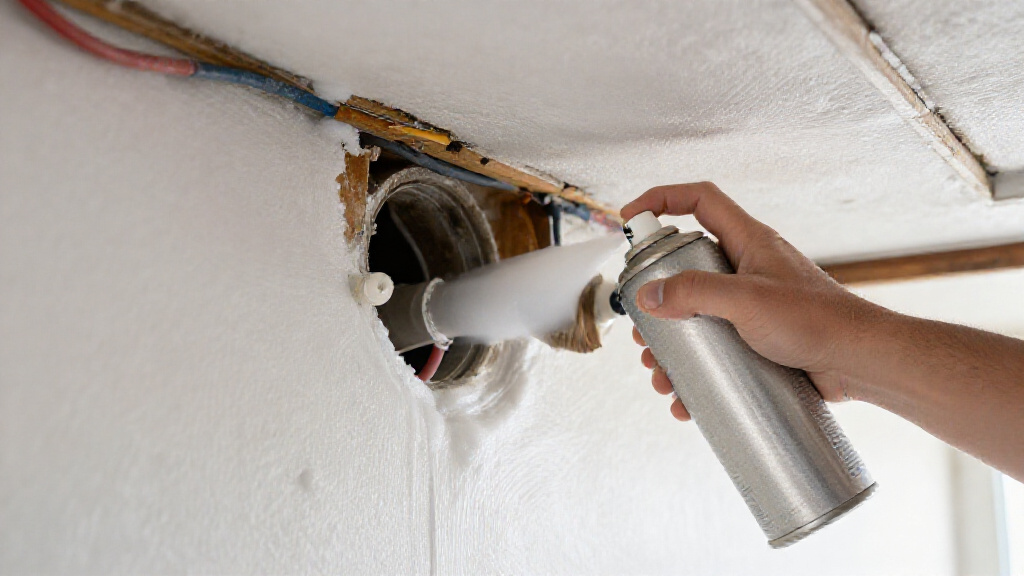
Use fiberglass batts for stud cavities, rigid foam boards for tight spaces, and spray foam to seal gaps precisely. Air-seal all penetrations and finish walls with drywall or moisture-resistant panels for durability and code compliance.
Exploring installation techniques will deepen your understanding of maximizing energy efficiency and comfort.
Key Takeaways
- Prioritize insulating garage ceilings and walls shared with living spaces using R-13 to R-21 insulation for optimal thermal reduction.
- Use rigid foam boards or foam kits in garage doors to achieve R-6 to R-12 insulation and improve energy efficiency.
- Seal all gaps, seams, and penetrations with spray foam, caulk, and weatherstripping to prevent air and moisture infiltration.
- Combine fiberglass batts with rigid foam or spray foam to maximize R-value without increasing wall thickness.
- Finish walls with drywall or moisture-resistant panels and properly seal to protect insulation and ensure code compliance.
Which Garage Areas to Insulate First?
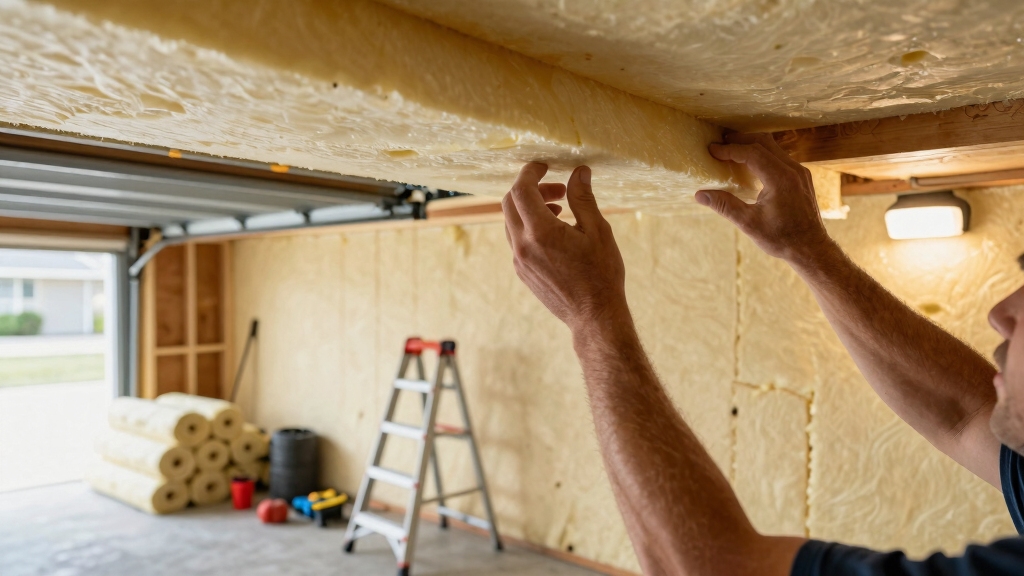
Start insulating your garage by focusing on areas that offer the greatest impact on energy efficiency.
Prioritize the garage ceiling first, especially when it adjoins living spaces or an attic, to minimize heat loss.
Focus on insulating the garage ceiling first, especially next to living areas or attic spaces, to reduce heat loss.
Next, insulate walls shared with interior rooms, as these typically yield the largest reduction in thermal transfer.
Garage doors also deserve attention; use purpose-built foam kits or rigid inserts to enhance insulation without complex installation.
For exterior-facing walls, insulation is vital in cold or moderate climates to limit heat flow through the building envelope.
If your garage includes finished rooms above, insulate exterior walls, the ceiling or attic, and the floor to achieve room-like thermal performance.
Addressing these areas systematically guarantees peak energy conservation and temperature control.
Additionally, applying flexible sealants to gaps and seams can improve insulation effectiveness by preventing air and moisture infiltration.
Why Insulating Your Garage Makes a Big Difference?
Insulating your garage locks in valuable heat, reducing energy waste and lowering utility costs. When you insulate, you improve thermal efficiency by limiting heat transfer through shared walls, ceilings, and doors.
This creates a more stable environment, protecting stored items from extreme temperatures and reducing strain on HVAC systems if the garage is attached.
| Benefit | Impact |
|---|---|
| Energy Efficiency | Lowers heating/cooling expenses |
| Comfort & Usability | Maintains consistent temperature |
| Protection & Durability | Prevents moisture damage and temperature extremes |
Using materials with proven thermal insulation performance ensures effective heat retention and durability in your garage.
Best Insulation Materials for Garage Walls and Ceilings
Choosing the right insulation materials for your garage walls and ceilings is key to achieving effective thermal performance and energy efficiency.
For walls, fiberglass batts rated R-13 or R-15 offer a cost-effective solution that fits standard stud cavities well. If space is limited, rigid foam boards provide additional insulation without requiring deeper framing.
Spray foam excels at sealing irregular gaps and enhancing overall air-tightness, making it ideal around wiring and penetrations.
For garage ceilings, blown-in cellulose enables uniform coverage with minimal disruption, especially in attic spaces above garages.
Combining materials, like rigid foam plus fiberglass batts, can increase R-value without enlarging wall thickness.
Whichever material you choose, ensure proper installation to avoid compression or gaps that undermine insulation effectiveness and long-term durability.
Regular maintenance and sealing can also improve energy efficiency by reducing heat transfer through garage surfaces.
Choosing the Right R-Value for Garage Insulation
How do you determine the appropriate R-value for your garage insulation? Start by evaluating your climate, garage use, and adjacency to conditioned spaces. Moderate climates typically require R-13 to R-15 for walls, while colder regions benefit from R-21 or higher.
Ceilings above garages often need superior insulation due to heat rising. Layering insulation types can increase R-value without expanding cavity depth.
| Garage Area | Recommended R-Value | Climate Consideration | Notes |
|---|---|---|---|
| Walls | R-13 to R-21 | Moderate to Cold | Higher for shared walls |
| Ceilings | R-30+ | All climates | Prioritize heat retention |
| Garage Doors | R-6 to R-12 | Variable | Use foam inserts or kits |
| Exterior Walls | R-13 to R-21 | Colder climates | Insulate to reduce transfer |
| Finished Rooms Above | R-30+ | All climates | Floor and ceiling insulation |
For enhanced garage comfort and durability, consider pairing insulation upgrades with durable garage flooring options that resist temperature fluctuations and wear.
Installing Fiberglass Batts in Garage Walls
Begin by measuring the stud cavities accurately to make certain your fiberglass batts fit snugly without compression, as this preserves their insulating effectiveness.
Measure stud cavities precisely to ensure fiberglass batts fit snugly without compression for optimal insulation.
Cut each batt slightly oversized to guarantee a tight fit within the cavity, avoiding gaps or voids that could reduce performance.
Position the batts flush with the wall surface, carefully working around wiring and pipes.
Use staples to attach kraft-faced batts to the stud faces at regular intervals, making sure the paper facing remains intact for vapor control.
Seal any gaps around penetrations with cut batt pieces or spray foam to minimize air leakage.
Maintain continuous coverage behind electrical components, avoiding voids, and keep batts uncompressed for peak R-value.
After installation, prepare the walls for finishing with drywall or moisture-resistant panels to comply with code and durability requirements.
Proper installation and use of vapor barriers are essential to ensure moisture management and prevent mold growth in insulated walls.
How to Insulate Your Garage Door for Energy Savings?
Although garage doors are often overlooked in insulation projects, they represent a significant source of heat loss and air infiltration.
To insulate your garage door effectively, start by measuring each panel individually, as dimensions can vary.
Use purpose-built foam kits or rigid foam inserts cut slightly oversized to guarantee a tight fit, which minimizes air gaps.
Attach insulation securely with clips, tape, or adhesives designed for garage doors to maintain durability during operation.
If you use reflective or radiant barrier insulation, install the reflective side facing outward per manufacturer guidelines.
Finally, seal perimeter gaps with appropriate weatherstripping or sealants to reduce drafts.
This targeted approach balances thermal resistance and installation ease, improving energy savings without compromising door function.
For long-term protection of garage door surfaces, consider selecting materials with breathable, soft-lined properties to prevent moisture buildup and damage.
Sealing Air Leaks for Better Garage Insulation
First things first, you’ll want to pinpoint those common leak areas. Think about gaps around windows, doors, and even where wiring and plumbing come through.
It’s easy to overlook these spots, but they can really let the air escape.
Once you’ve found those leaks, grab some effective materials like spray foam, caulk, and weatherstripping.
These tools will help you create airtight seals. Trust me, taking the time to close those gaps will make a noticeable difference in your garage’s insulation.
Plus, it’ll help reduce energy loss, which is always a win!
For long-lasting results, make sure to inspect and maintain your seals regularly to prevent future leaks and damage to your vent system.
Identifying Common Leak Areas
Tracking down common air leaks is essential to improving your garage’s insulation performance and energy efficiency.
Start by inspecting areas where materials meet, such as the junctions between walls and ceilings. These often have gaps due to framing irregularities.
Check around windows and doors, focusing on perimeter seals and weatherstripping that may have deteriorated.
Garage doors are frequent leak sites; look for gaps between panels and around the door frame.
Don’t overlook penetrations for electrical wiring, plumbing, or HVAC ducts, as these often lack proper sealing.
Also, examine the interface between the garage and any adjoining conditioned living spaces, particularly shared walls and ceilings.
Applying proper sealing materials with UV protection and weather resistance ensures durability in maintaining airtightness.
Effective Air Sealing Materials
Choose air sealing materials that provide durable, airtight barriers to block unwanted drafts and reduce heat loss in your garage.
Common effective options include caulk, spray foam, and weatherstripping, each suited to specific gap sizes and locations.
Caulk works well on smaller cracks around window frames and trim.
Spray foam expands to fill irregular or larger gaps, offering superior adhesion and insulation.
Weatherstripping seals movable joints like doors and windows, preventing air infiltration while allowing operation.
| Material | Best Use Case |
|---|---|
| Caulk | Small cracks and fixed joints |
| Spray Foam | Large gaps, irregular cavities |
| Weatherstripping | Doors, windows, and movable seals |
Using these materials correctly improves your garage’s overall thermal performance by minimizing convective heat loss. For spaces like garages, considering the heating capacity of your portable heater can ensure efficient and effective warmth while maintaining insulation integrity.
Techniques to Seal Gaps
When sealing gaps to improve garage insulation, focus on identifying all potential air leak sites. This includes areas around window and door frames, electrical outlets, plumbing penetrations, and framing joints.
You should use high-quality spray foam or caulk to fill irregular or small gaps, guaranteeing a continuous air barrier. For larger gaps, backer rods combined with sealant provide effective coverage.
Pay special attention to areas where wiring or pipes penetrate walls, as these are common leak points. Use weatherstripping on operable doors and windows to minimize drafts.
Make certain all materials are compatible with the surrounding surfaces and comply with local building codes. Properly sealing gaps not only reduces heat loss but also prevents moisture intrusion, enhancing the durability and overall performance of your garage insulation system.
For long-lasting results, choose sealants that offer flexibility and weather resistance to accommodate temperature changes and prevent cracking.
Finishing Garage Walls for Code Compliance and Durability
Although insulating a garage substantially improves energy efficiency, you must follow local building codes by installing appropriate finishing materials on insulated walls. Most codes require a thermal barrier, typically drywall or Type X gypsum board, over insulation to reduce fire risk.
You should fasten drywall securely to framing, guaranteeing seams are taped and finished to maintain integrity. In garages exposed to moisture or heavy use, consider PVC wall panels for enhanced durability, mold resistance, and impact protection.
Proper finishing also protects insulation from damage and maintains its performance over time. Additionally, sealing gaps around penetrations before finishing prevents air leakage. By adhering to these requirements, you guarantee your garage walls meet safety standards and withstand environmental stresses, preserving both energy efficiency and structural longevity.
Frequently Asked Questions
How Do I Insulate a Detached Garage Differently From an Attached Garage?
When insulating a detached garage, focus on exterior walls and ceiling since you don’t share interior walls with living spaces. Use higher R-values on all surfaces to combat outdoor temperature extremes.
For attached garages, prioritize insulating walls shared with the house and the ceiling below living areas to reduce heat transfer. Seal gaps thoroughly to prevent drafts.
Detached garages may also need vapor barriers and moisture-resistant finishes due to greater exposure to weather.
Can Garage Insulation Help Reduce Noise From Outside or Inside?
Wondering if garage insulation can reduce noise? Yes, it can.
Insulation materials like fiberglass batts and spray foam not only limit heat transfer but also absorb sound waves. This helps cut down noise from outside or inside.
Properly sealing gaps and using dense insulation in walls, ceilings, and garage doors enhances soundproofing.
While insulation alone won’t eliminate all noise, it noticeably dampens echoes and external sounds. This improves your garage’s acoustic comfort.
What Are the Best Insulation Options for Garage Floors?
For garage floors, rigid foam insulation boards like extruded polystyrene (XPS) or expanded polystyrene (EPS) work best due to their compressive strength and moisture resistance.
You’ll want to install a vapor barrier beneath to prevent moisture issues. Additionally, insulated floor mats or rubber tiles provide thermal comfort and durability.
Avoid fiberglass batts for floors since they compress and absorb moisture, reducing effectiveness and lifespan. Proper subfloor preparation guarantees long-term performance.
How Often Should Garage Insulation Be Inspected or Replaced?
You should inspect your garage insulation at least every 3 to 5 years, or after any event that might cause damage, such as water leaks, pest infestations, or renovations.
Replace insulation if you notice mold, significant compression, or loss of thermal performance.
Regular inspections help maintain energy efficiency and indoor comfort.
Promptly addressing damaged insulation prevents further deterioration and ensures your garage remains well insulated and compliant with building standards.
Are There Eco-Friendly Insulation Materials Suitable for Garages?
Yes, you can choose eco-friendly insulation materials for garages, such as blown-in cellulose made from recycled paper treated for fire resistance.
You might also consider natural fiber batts like cotton or sheep’s wool, which offer good thermal performance and moisture regulation.
These materials reduce environmental impact while providing effective insulation.
Just make sure proper installation to avoid gaps and moisture issues, maintaining durability and energy efficiency in your garage’s unique environment.
Stay Ahead: Insider Tips on the Best Way to Insulate a Garage Effectively
Insulating your garage can reduce energy loss by up to 40%, markedly improving comfort and lowering utility bills.
Start by prioritizing walls and ceilings, then focus on sealing air leaks and insulating the garage door.
Choosing the right R-value and materials like fiberglass batts guarantees peak thermal resistance.
Proper installation and finishing not only boost energy efficiency but also meet building codes and enhance durability.
Taking these steps makes your garage a more functional, energy-efficient space.


